People often make or get cynical comments about sharing sunset photos on social media but there is a reason people do – sunsets are usually spectacular and the colours are magnificent.
The Spring (and soon Summer) sky above Melbourne has been showing off most evenings this year, and I haven’t been able to resist taking some snaps of the colours, textures and shapes. And the birds resting on the nearby TV aerial seem to be enjoying it too.
Photos updated as the sky continues to show off until the end of Summer 2016. All photos taken on my iPhone unless the caption says otherwise.
Pink pink pink. Melbourne sunset, view from Hawthorn, 17 November 2015
(Not quite a)Melbourne sunset, but lovely clouds all the same. View from Hawthorn, 14 November 2015
Moody Melbourne sky; view from Hawthorn, 14 November 2015
Melbourne sunset, view from Hawthorn, 14 November 2015
Melbourne sunset, view from Hawthorn, 8 November 2015
Melbourne sunset, view from Hawthorn, 8 November 2015
Melbourne sunset, view from Hawthorn, 8 November 2015
Melbourne sunset, view from Hawthorn, 8 November 2015
Melbourne sunset, view from Hawthorn, 8 November 2015
Melbourne sunset, view from Hawthorn, 8 November 2015
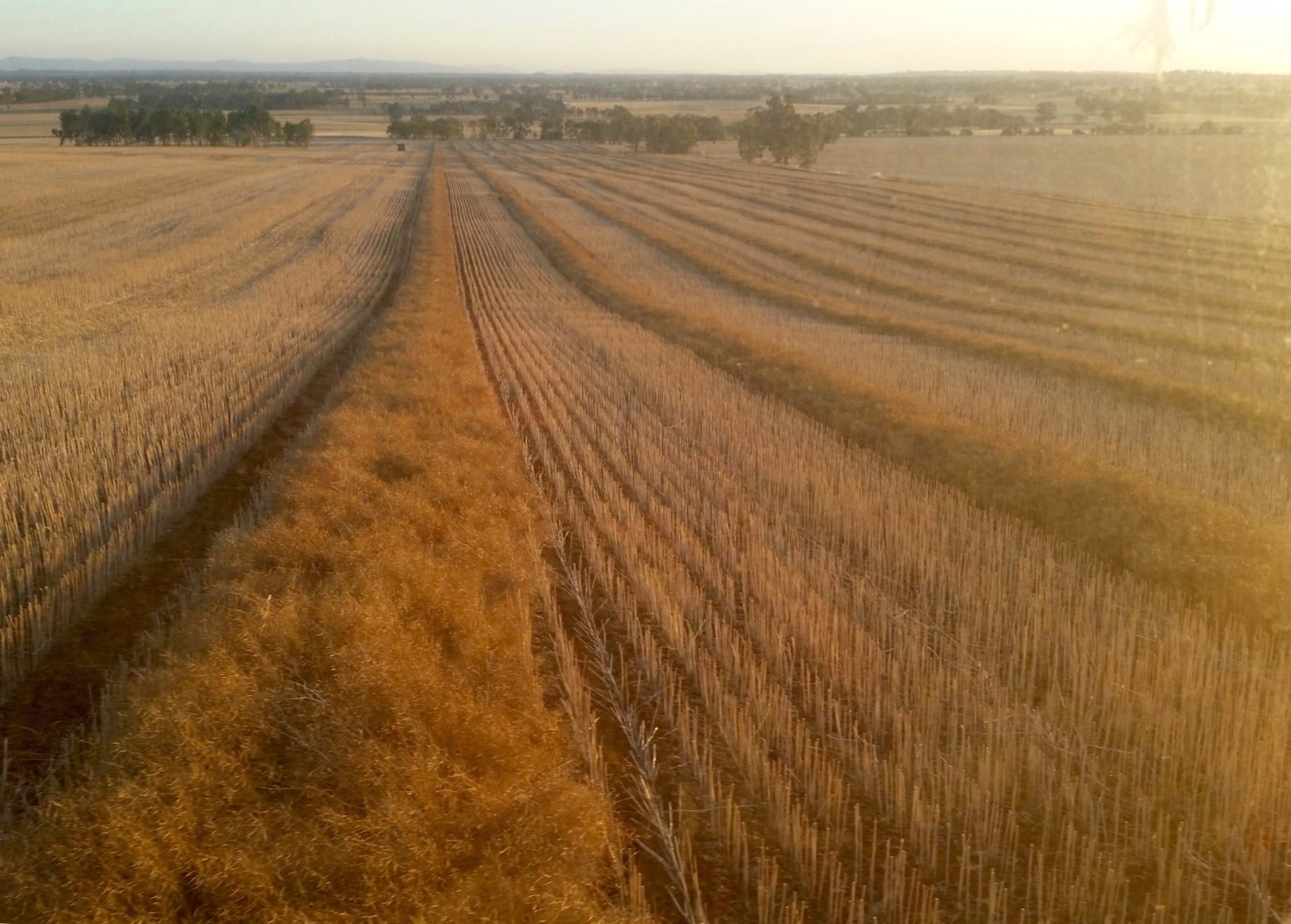
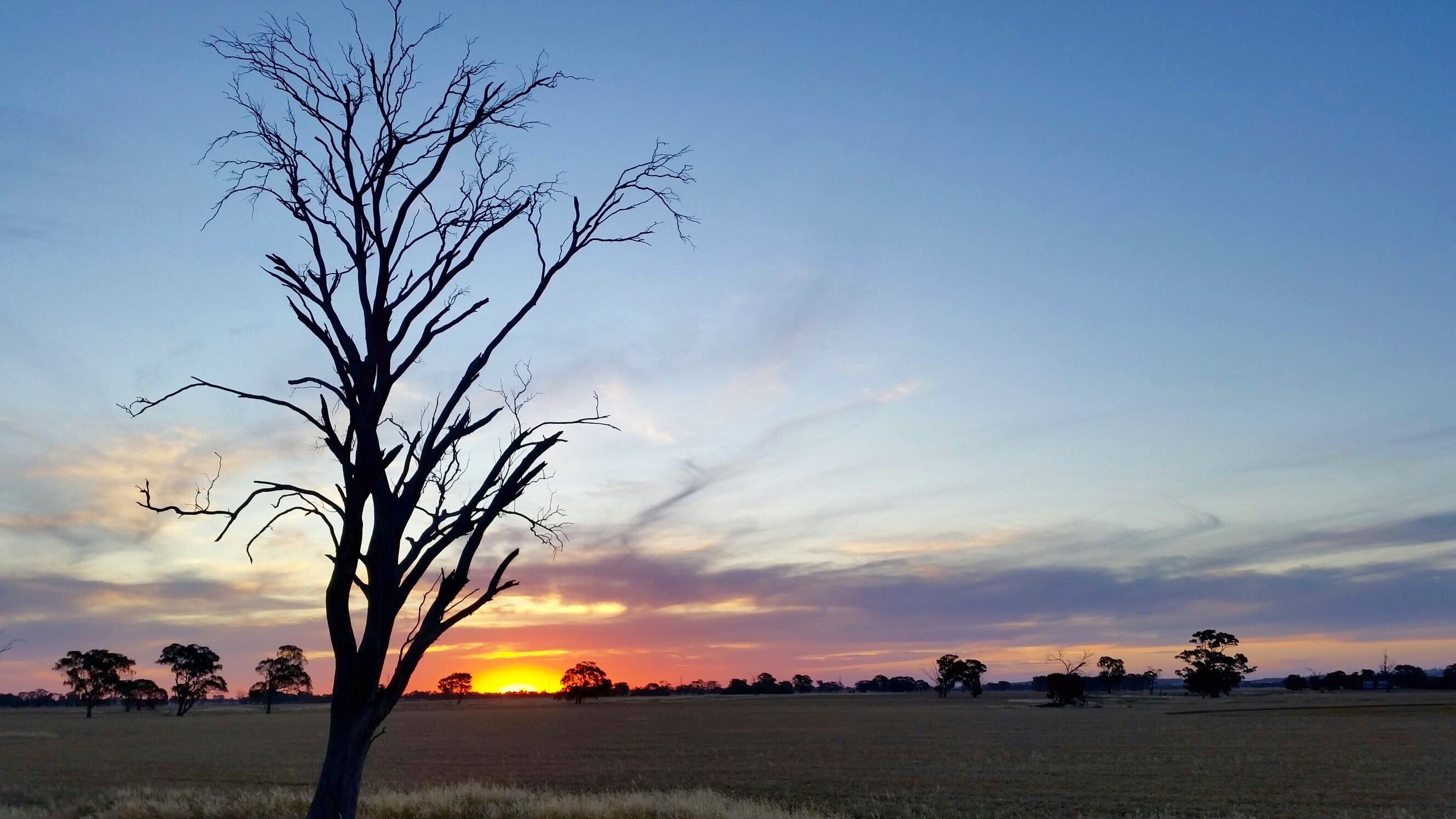
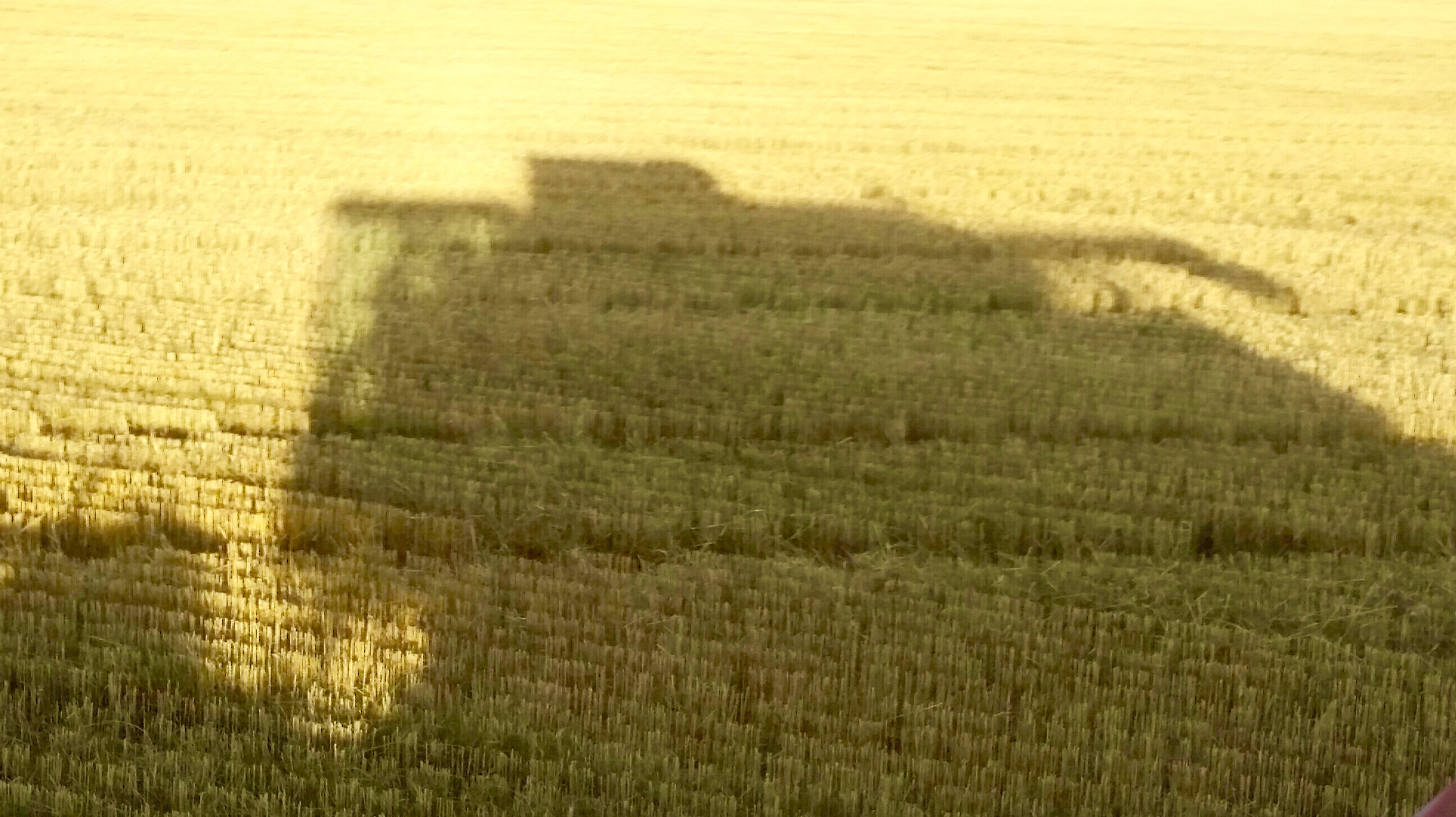
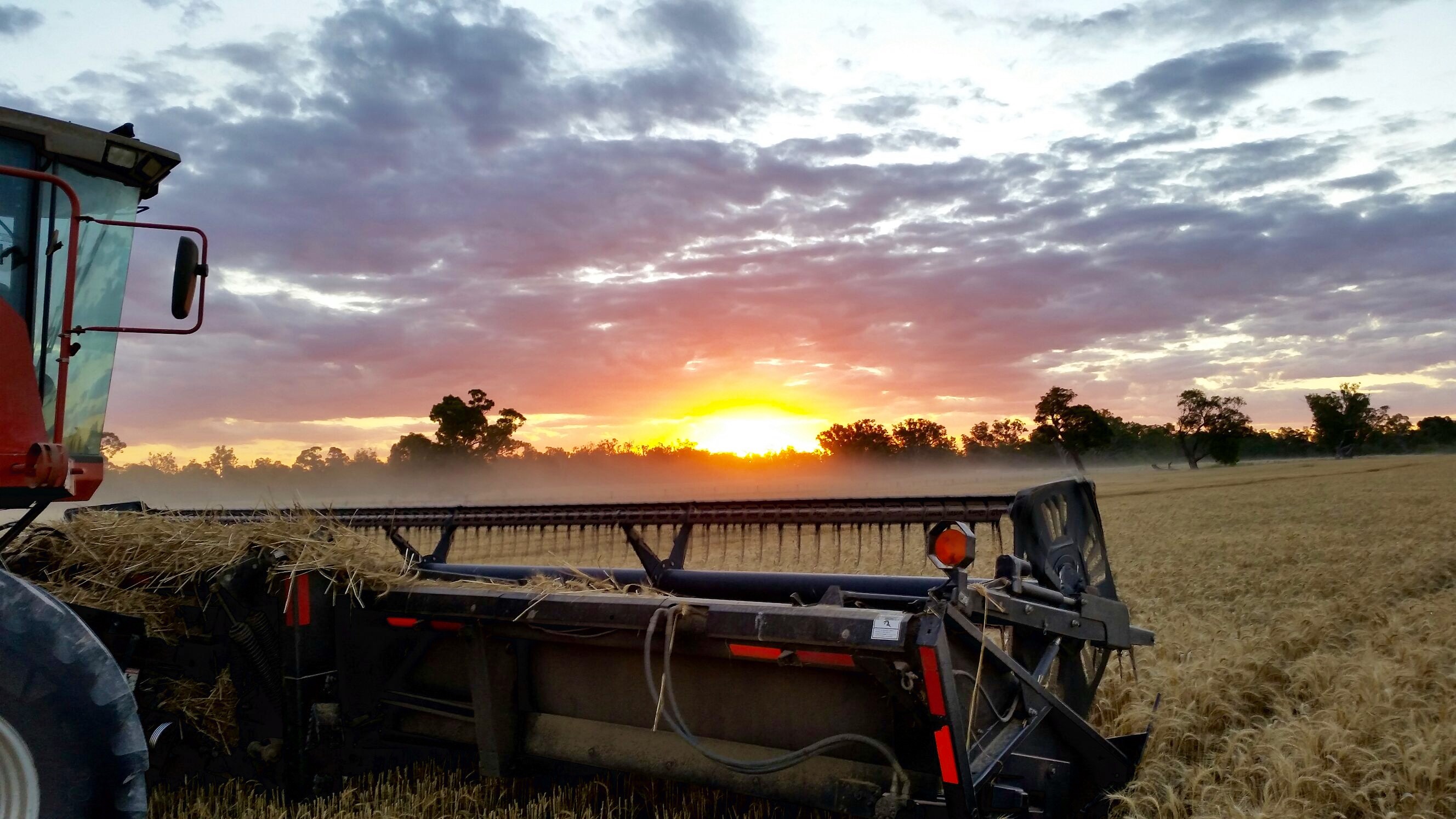
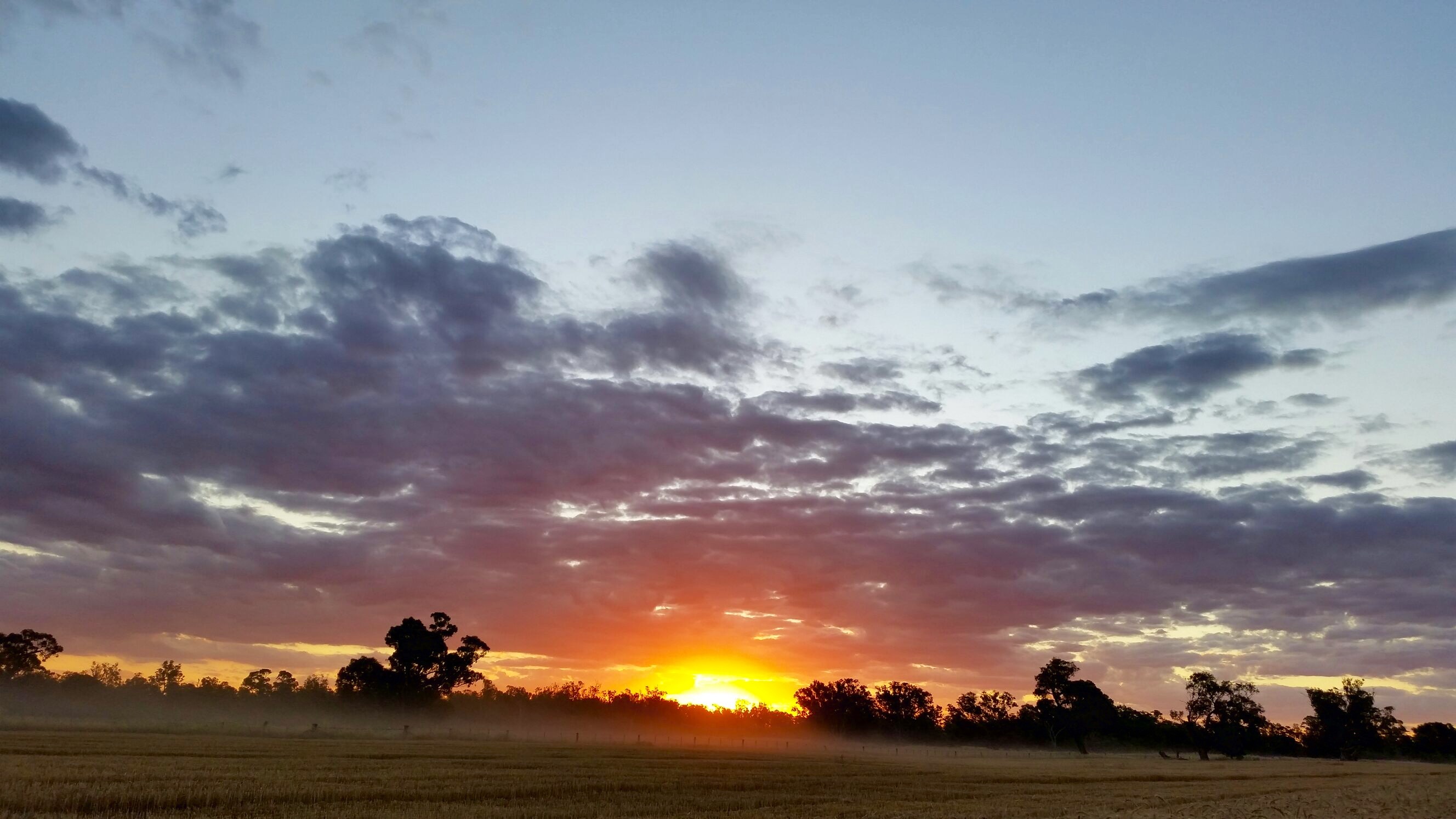
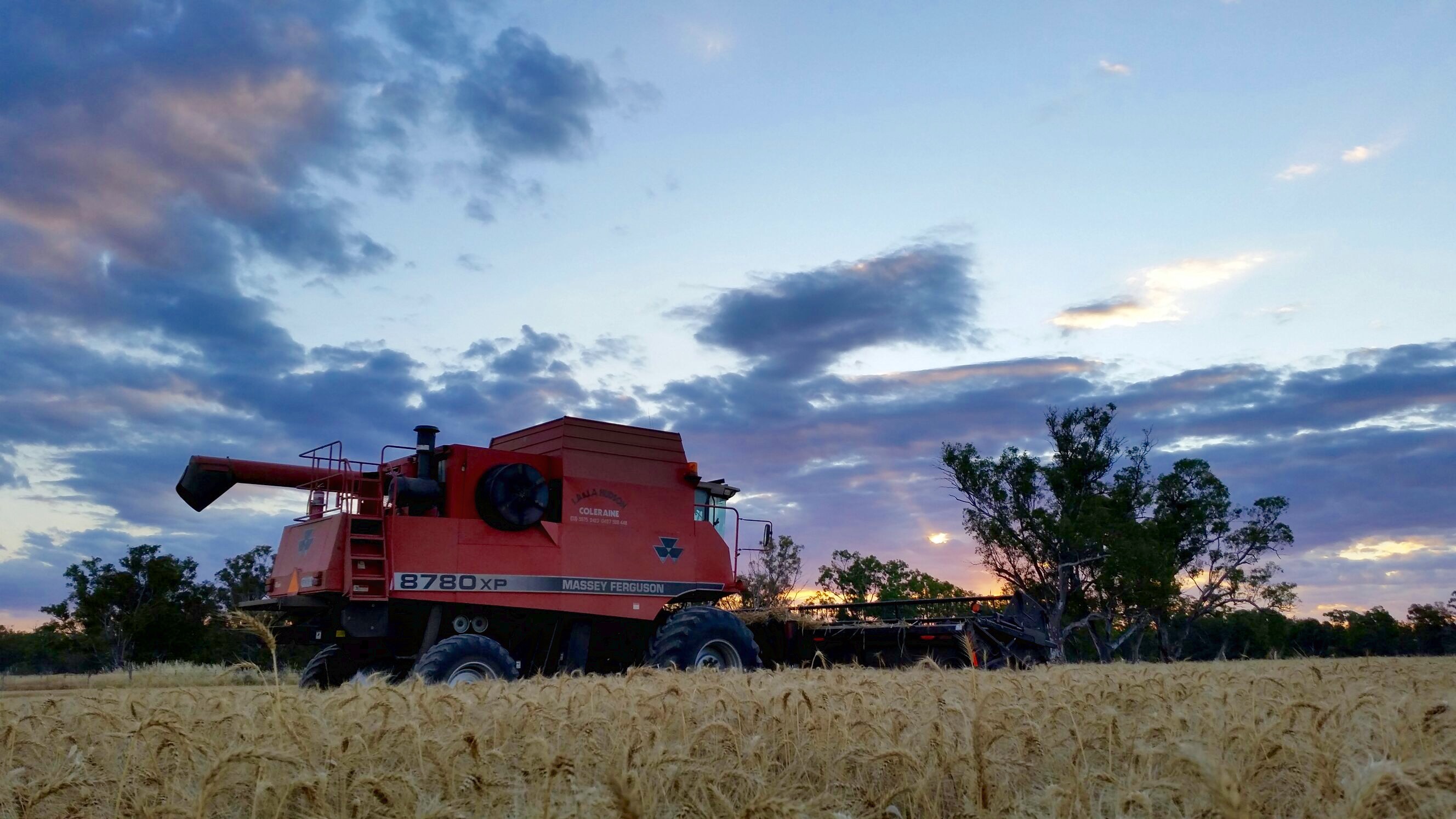
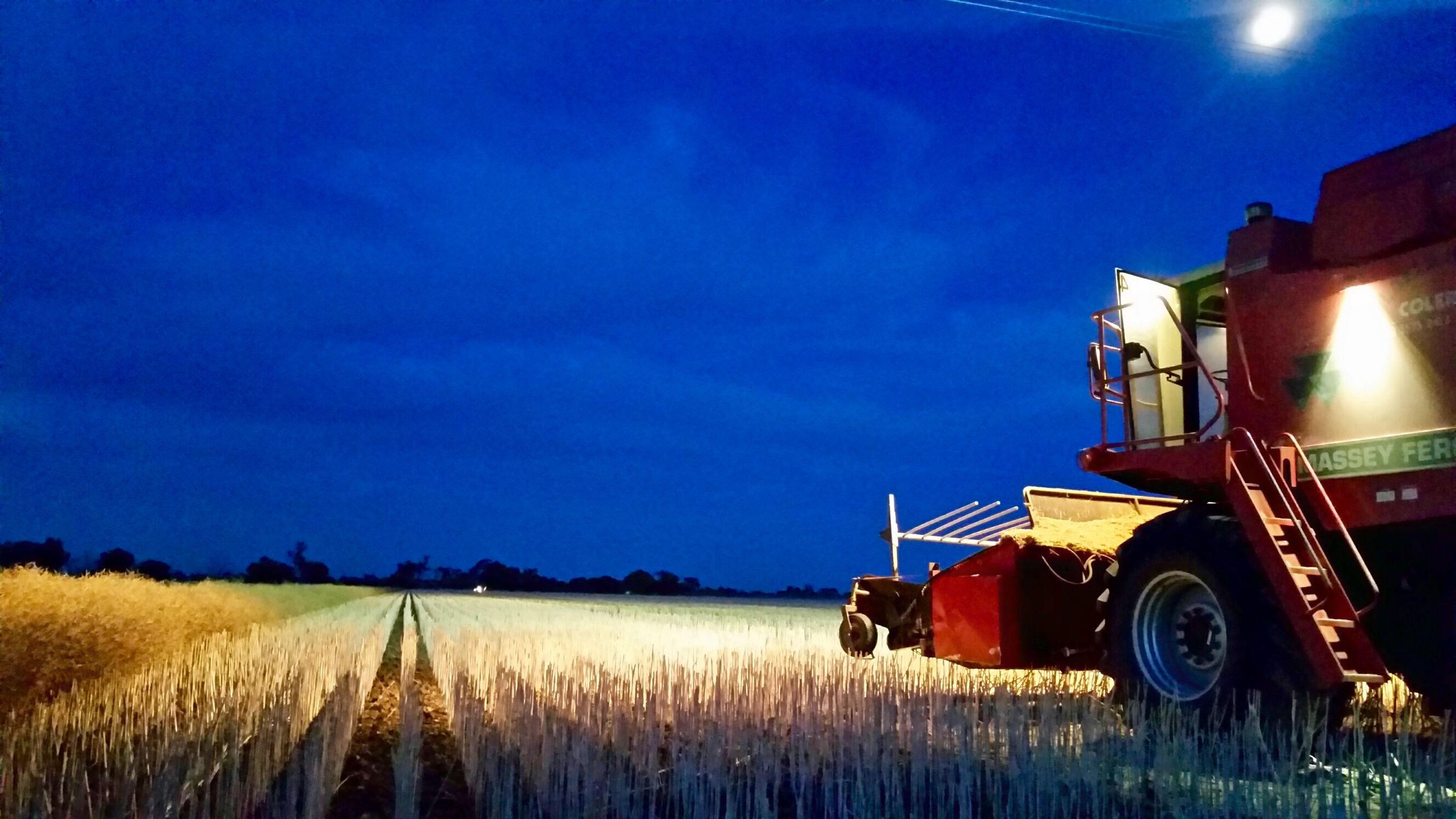
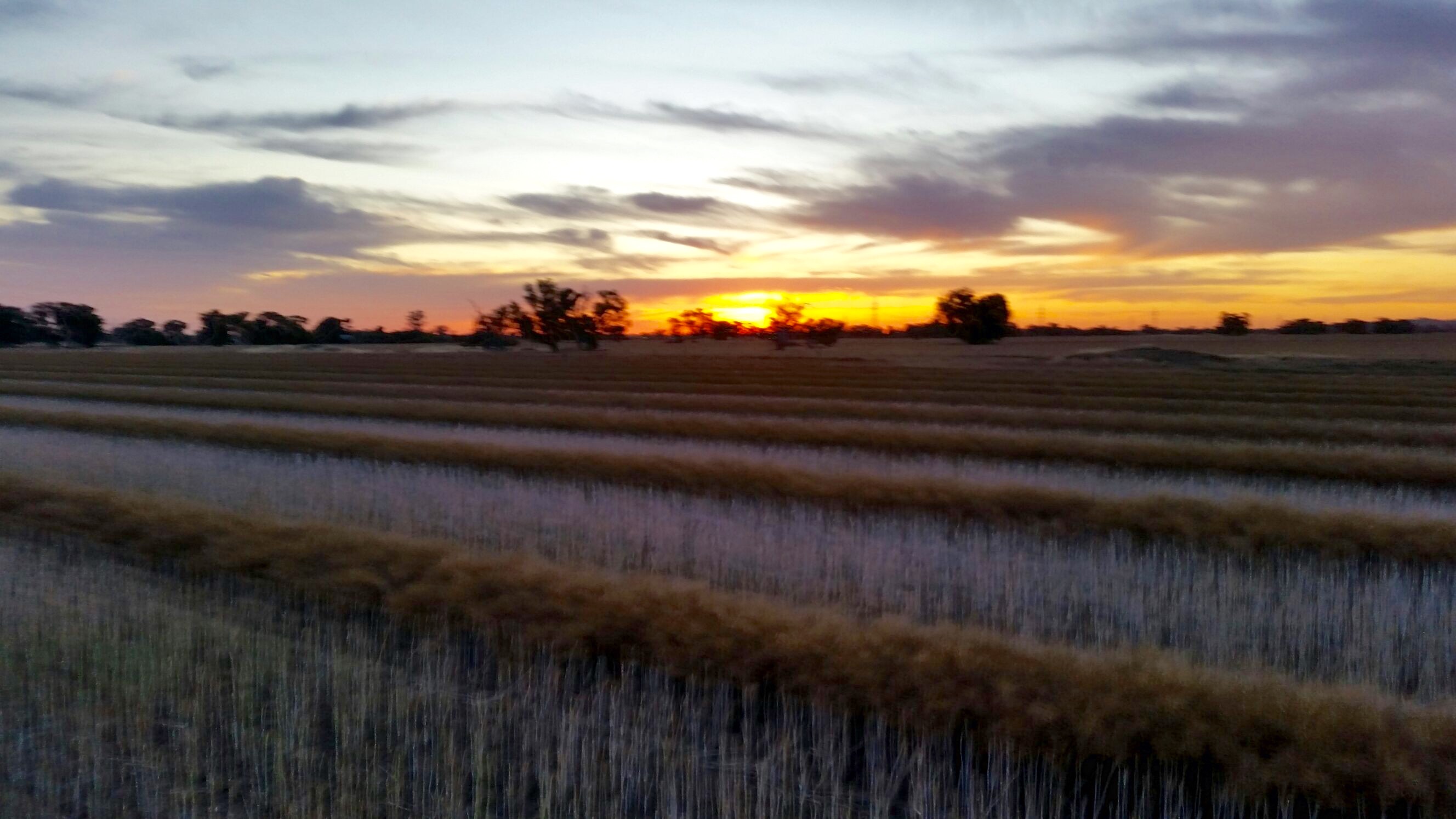
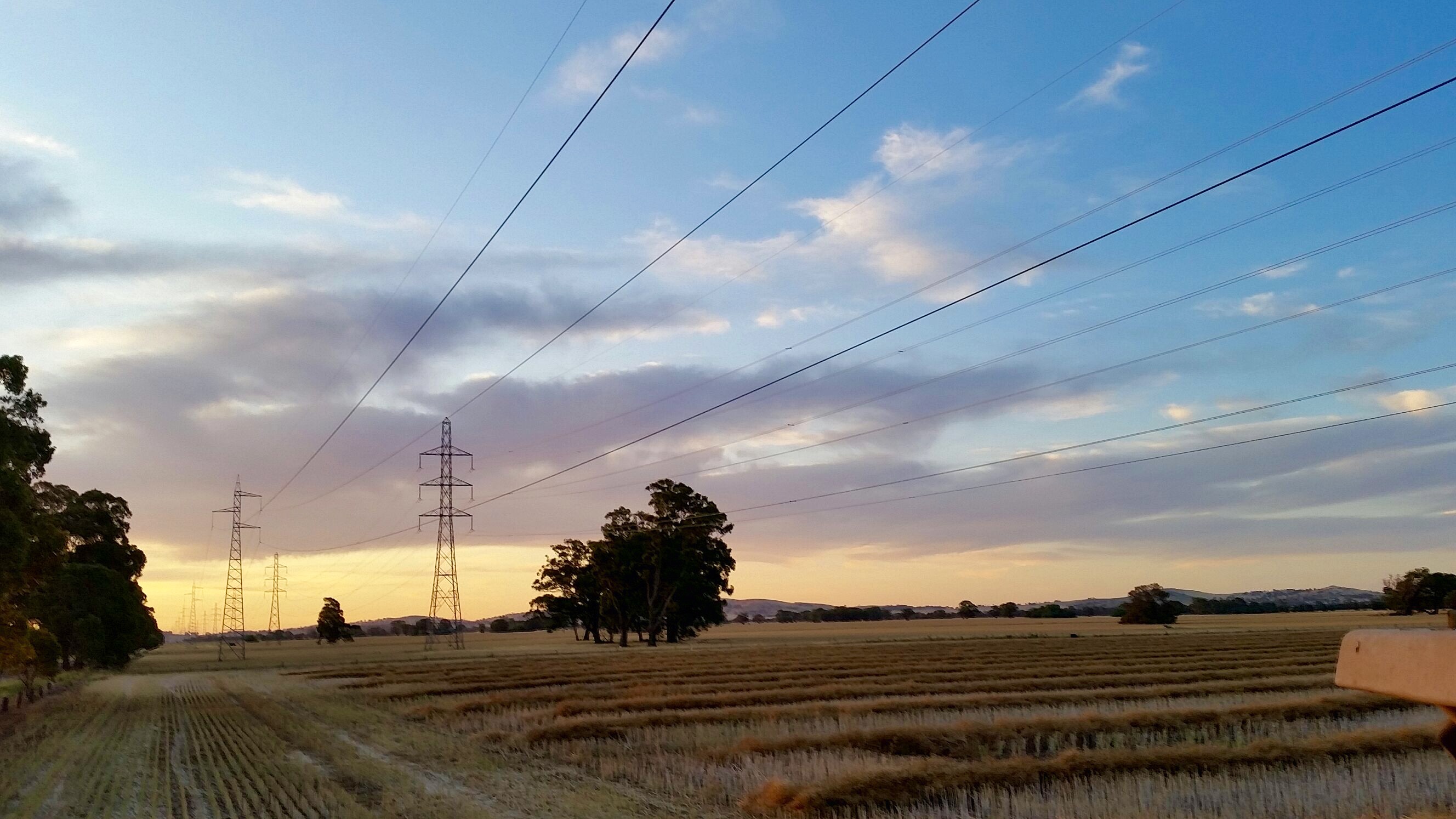
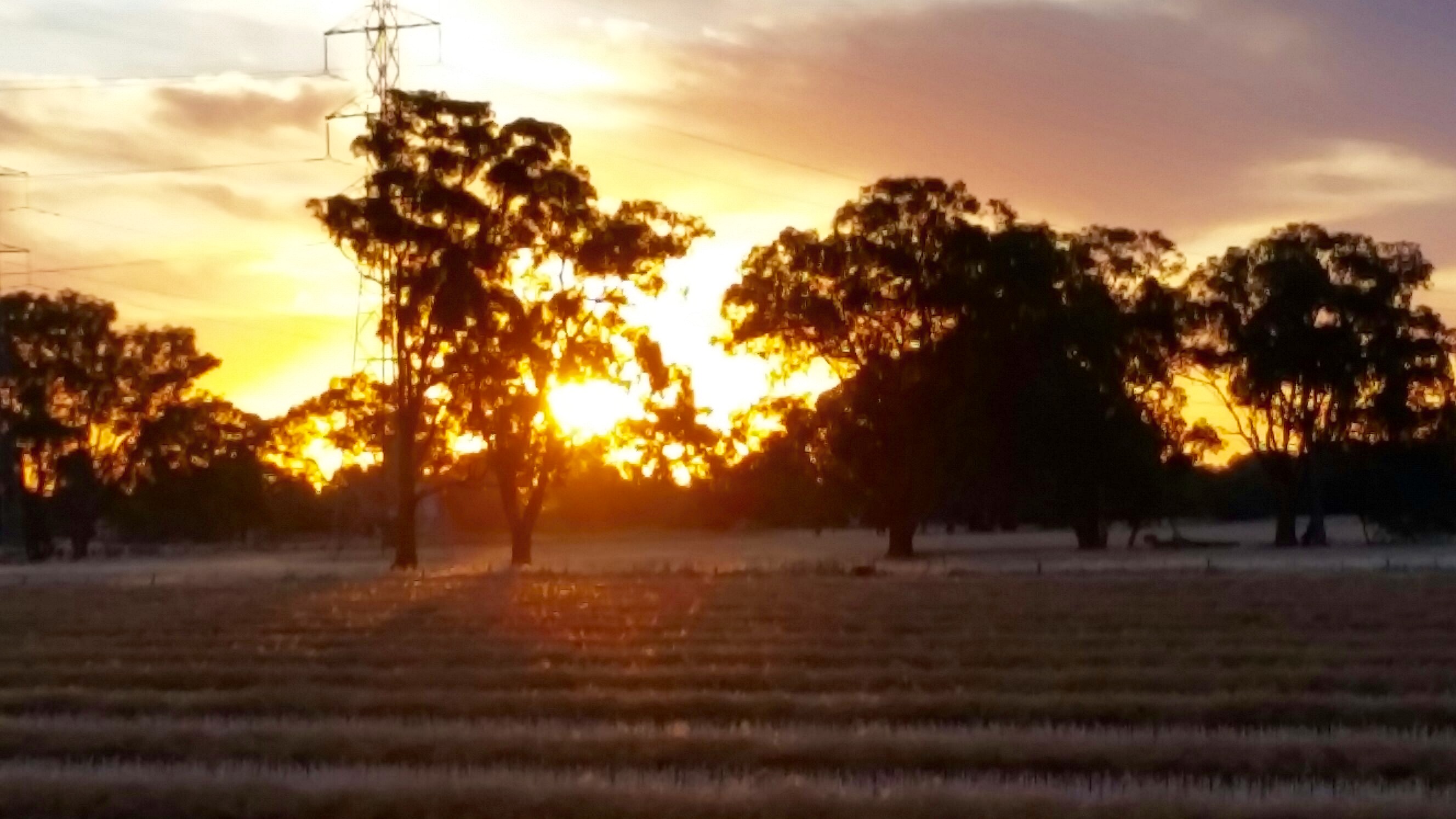
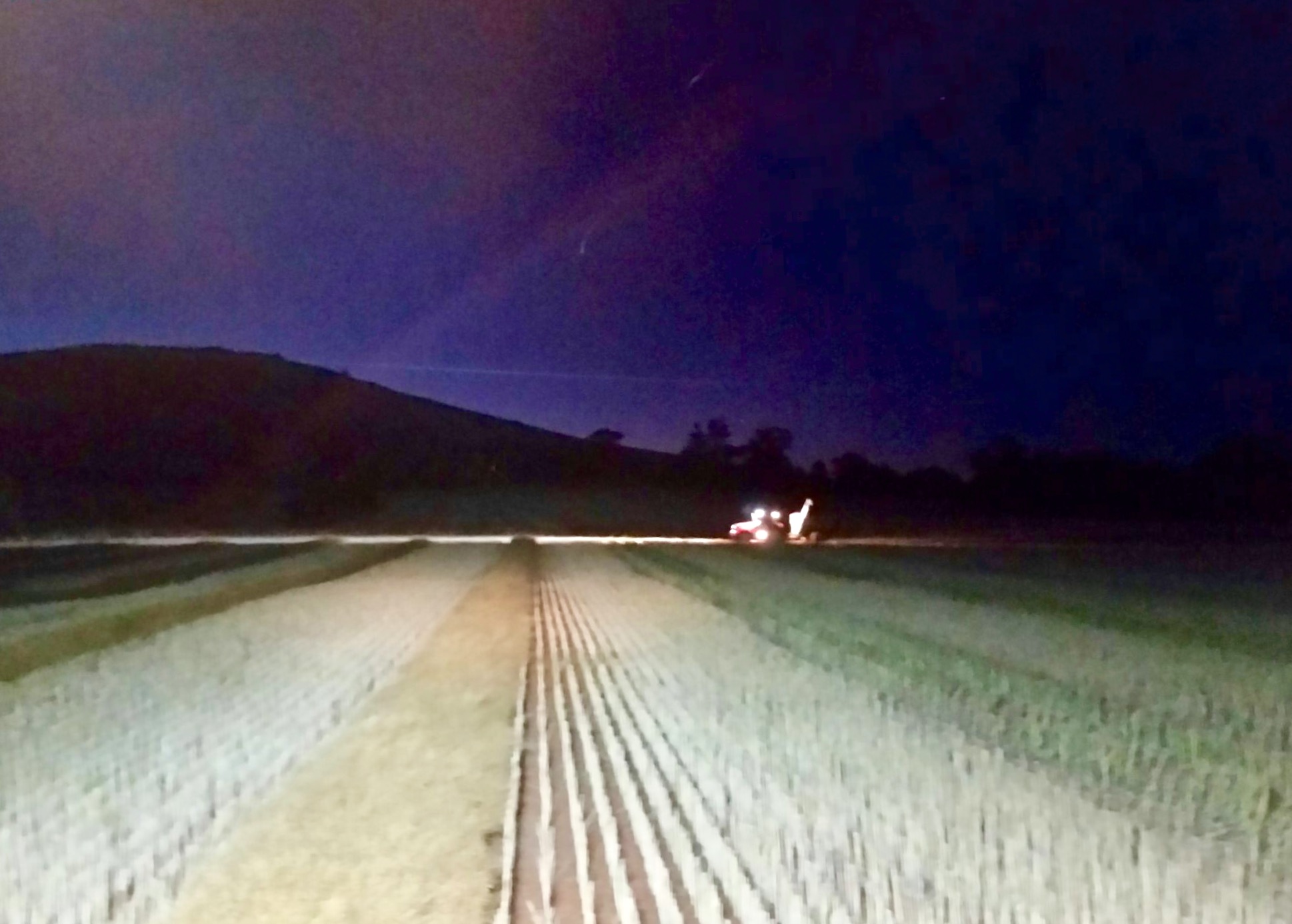
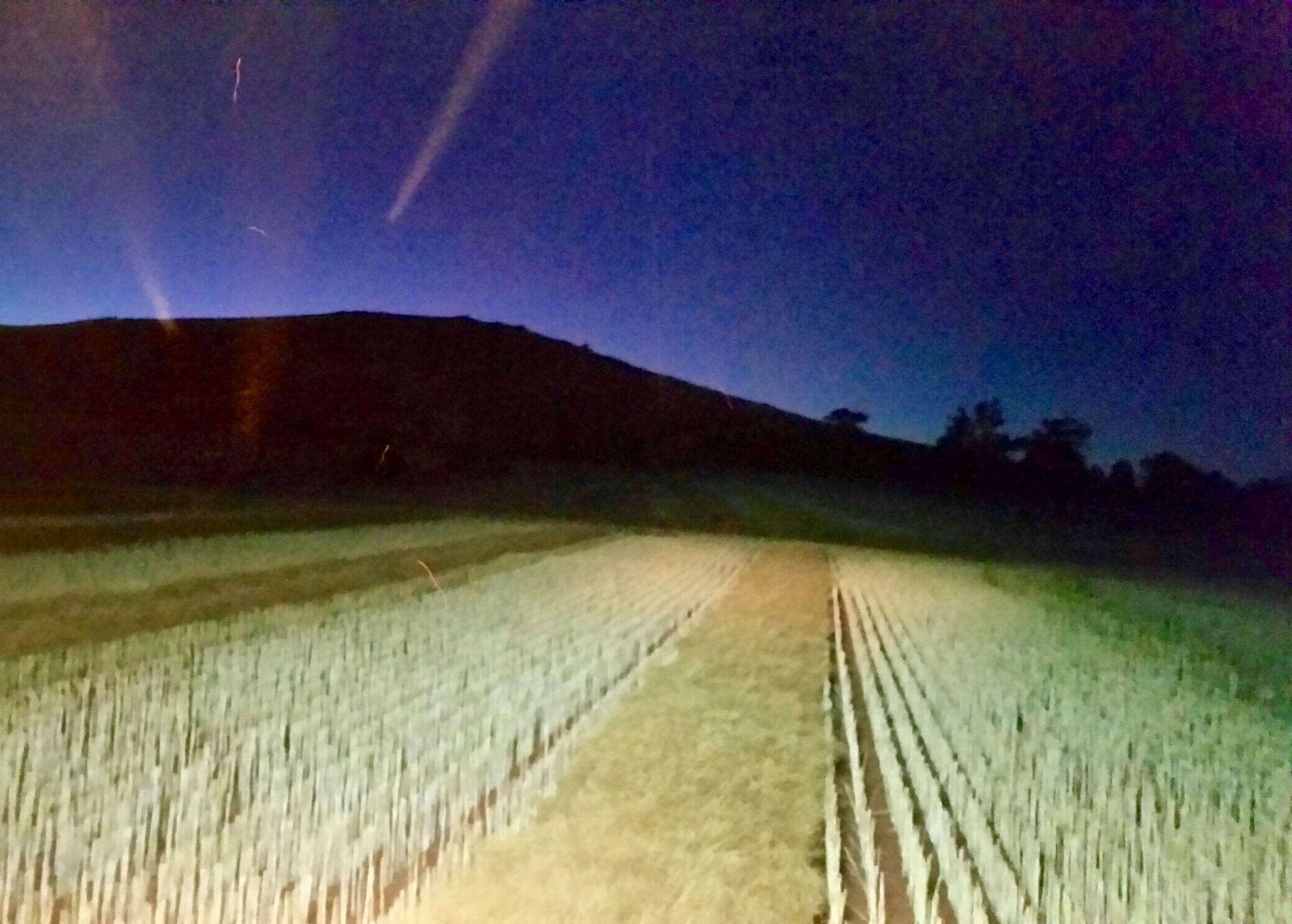
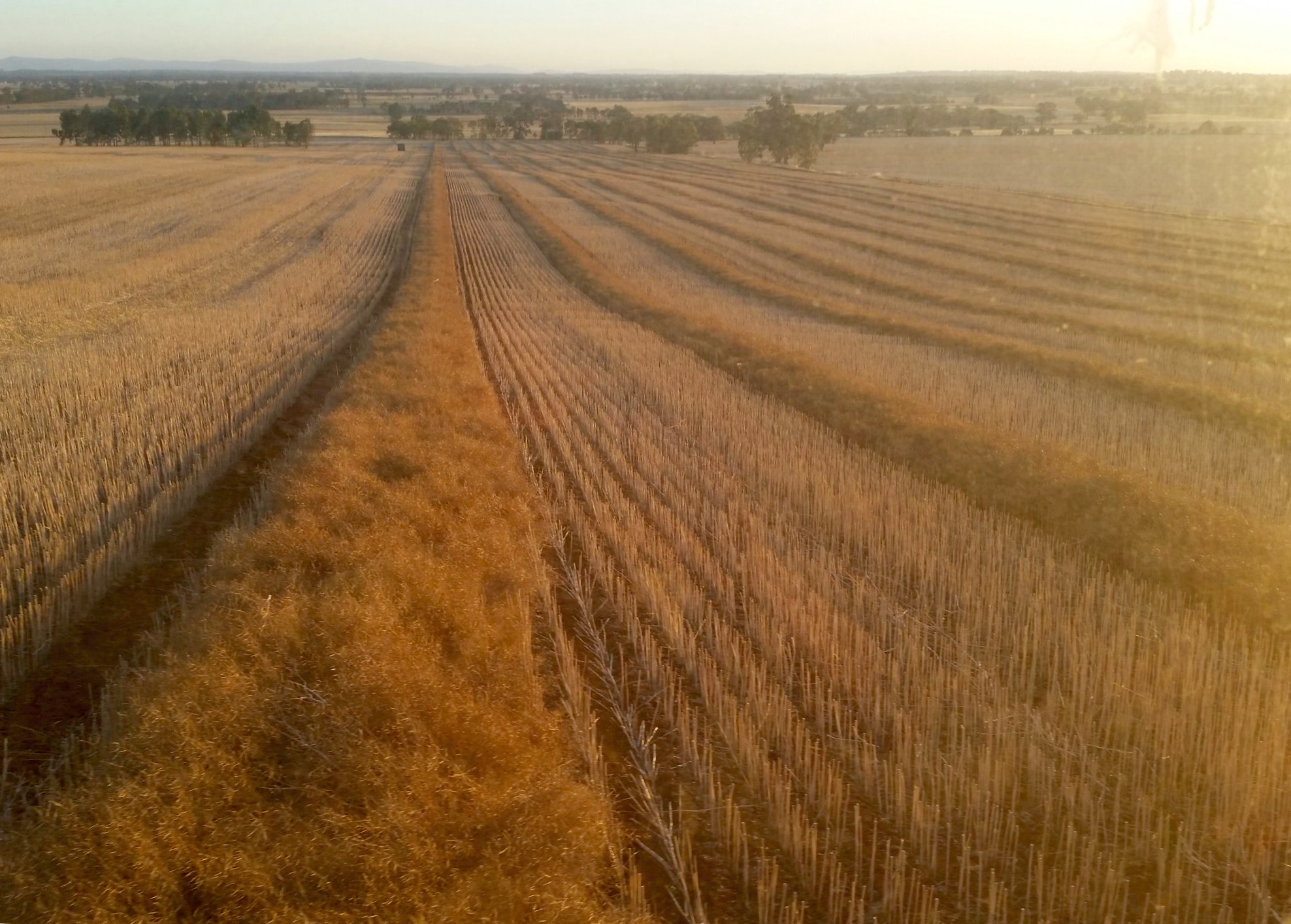
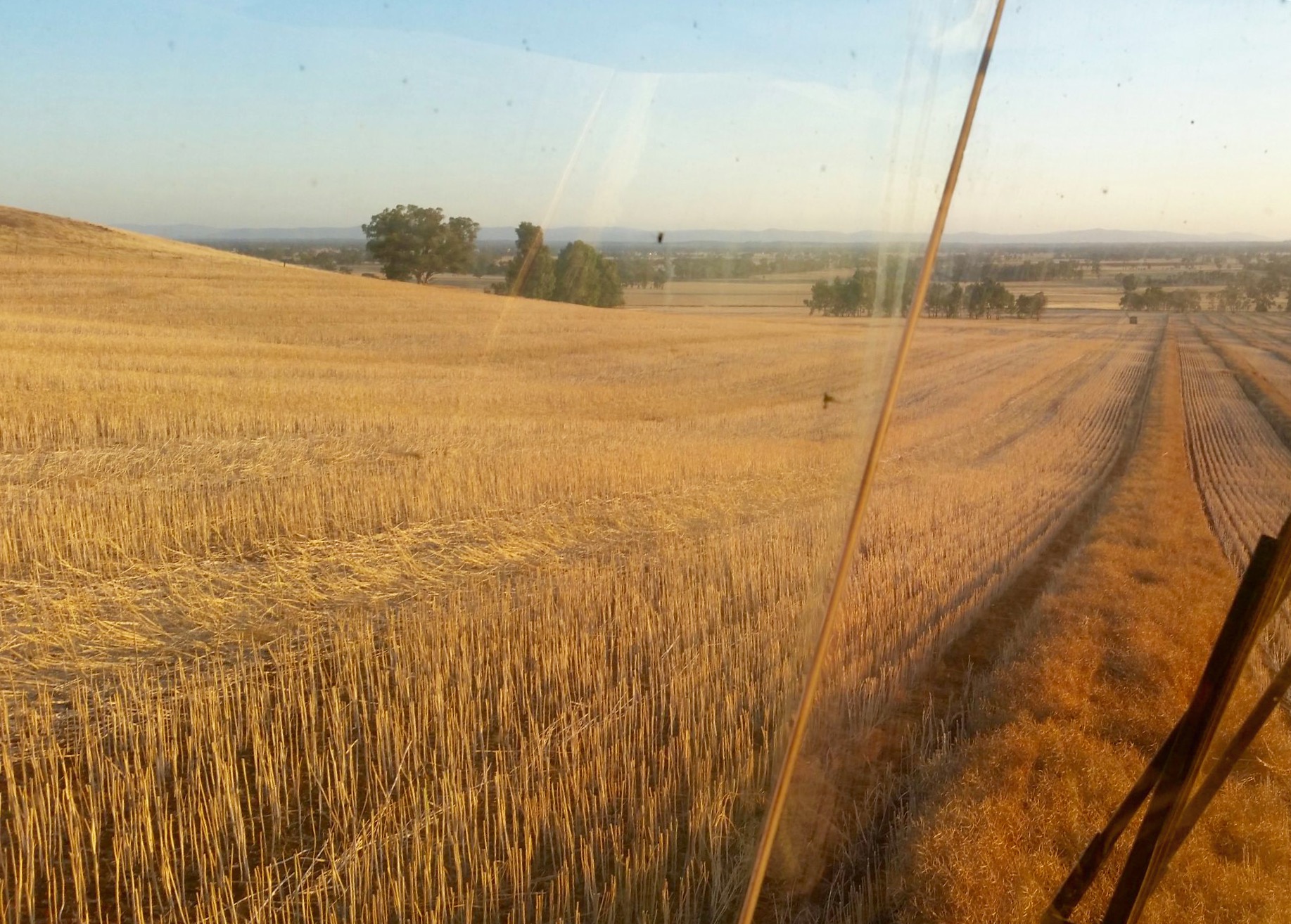
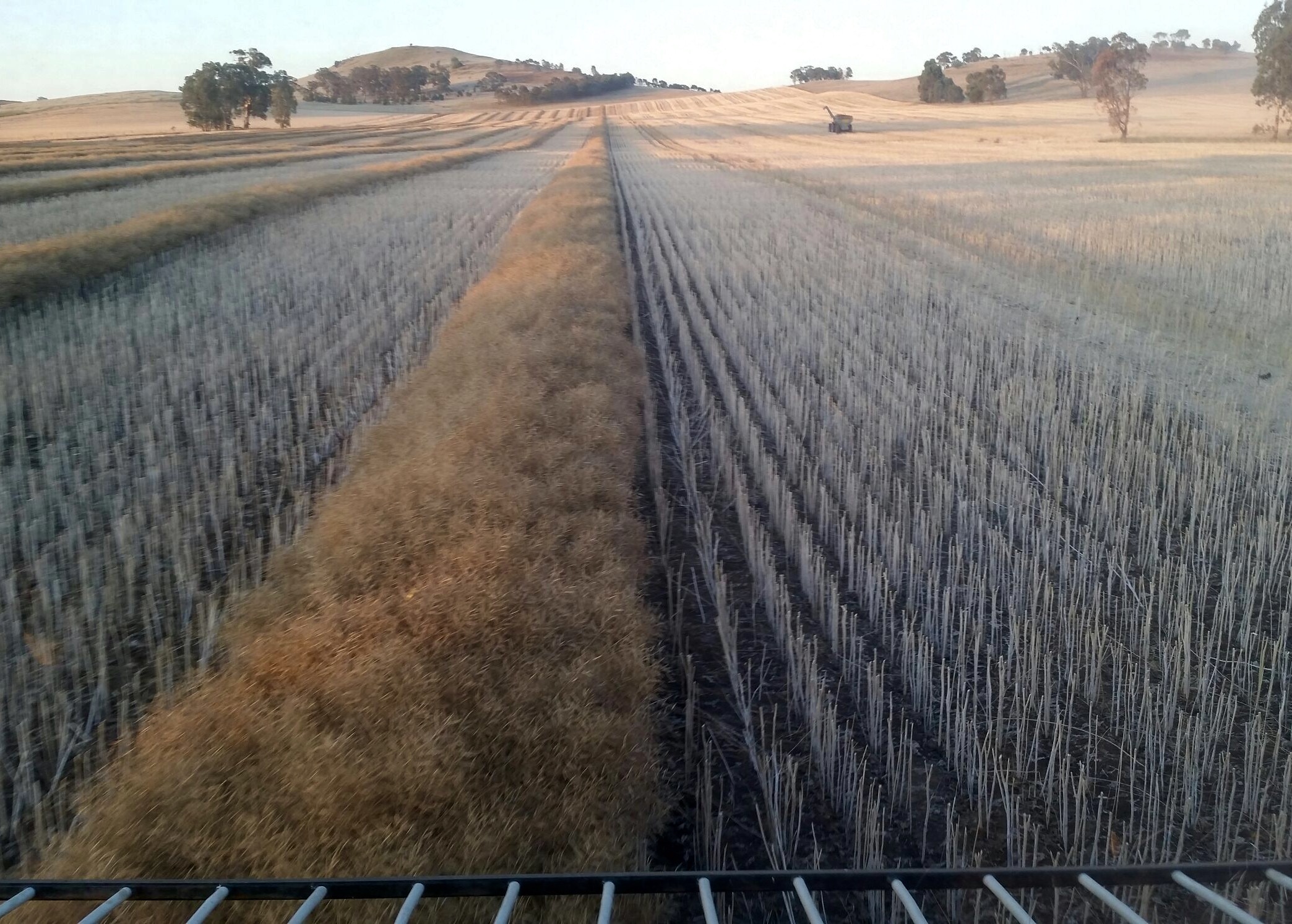
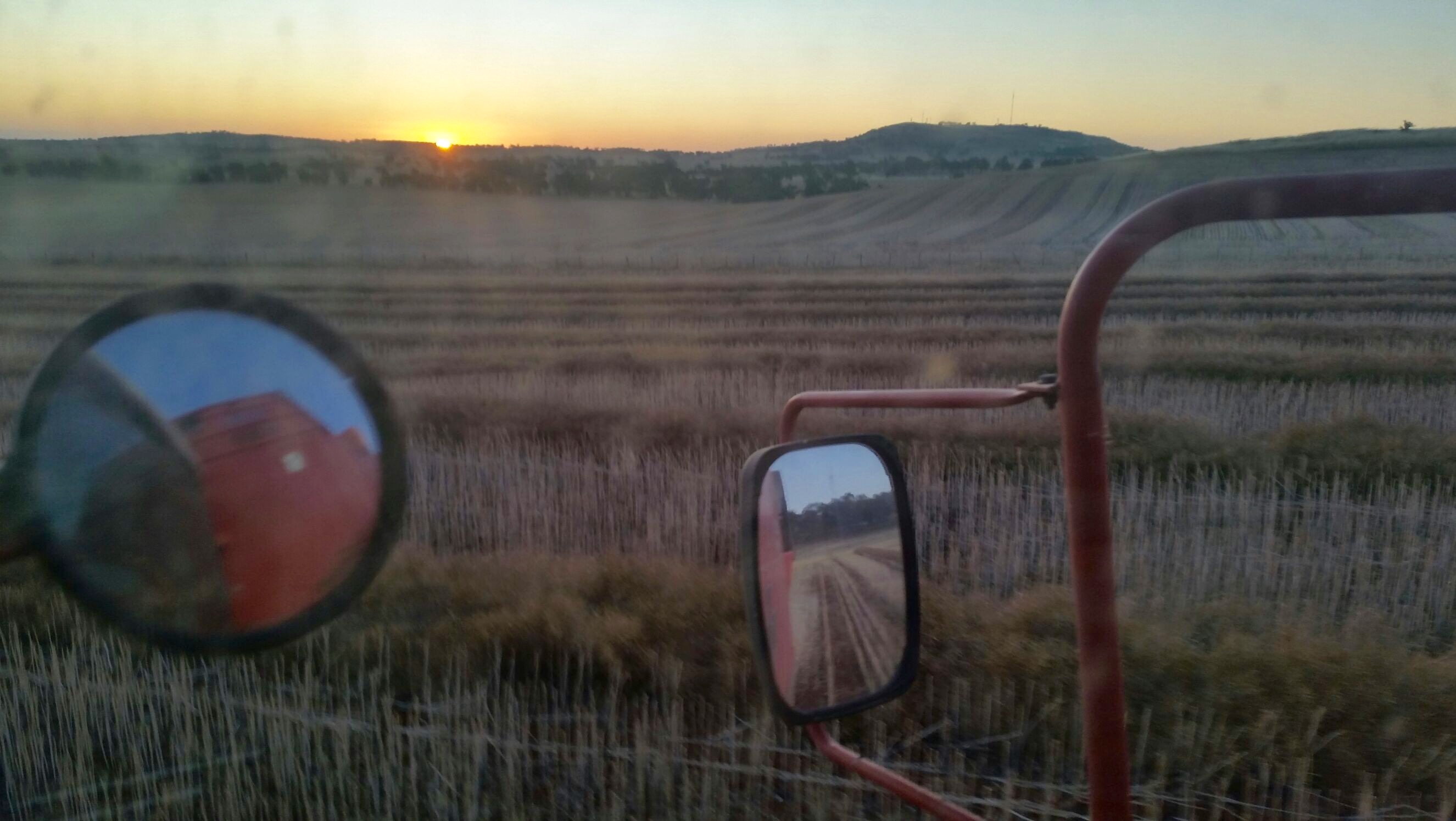
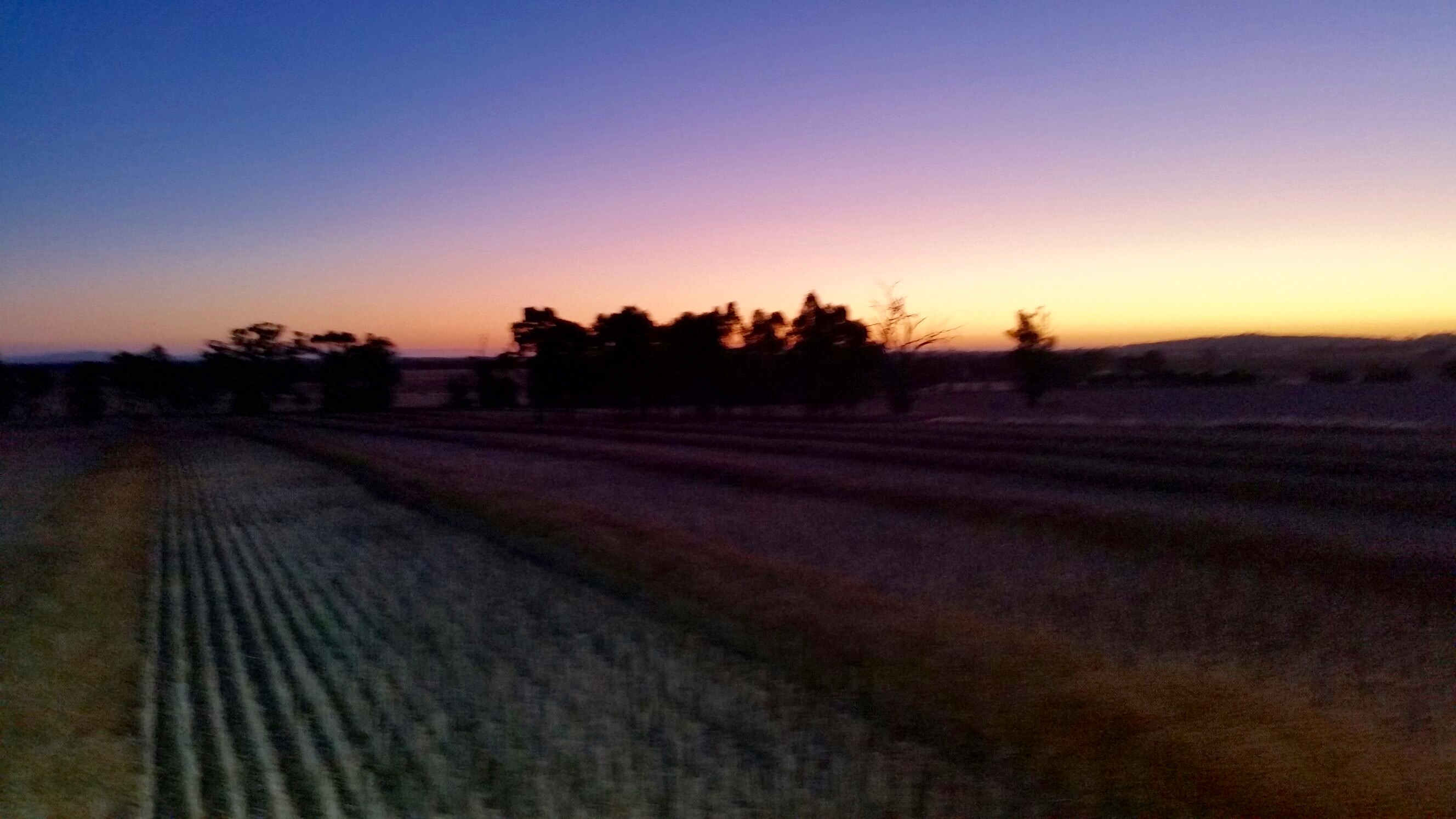
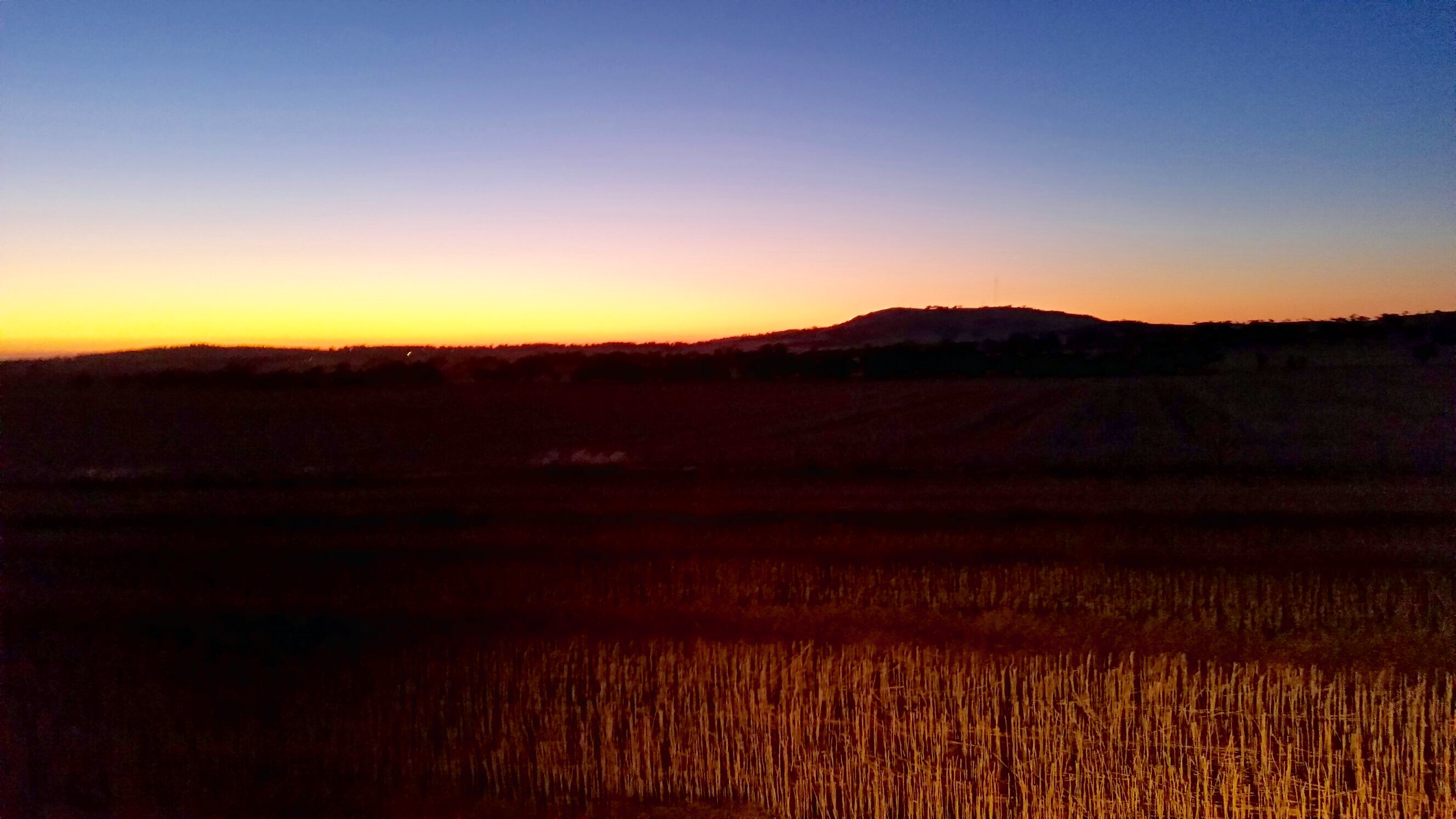
The 2015 harvest is in swing on farms right across Australia, and these are the photos my brother Tim has taken while out amongst the crops in North East Victoria, Australia. This page will be updated as he sends photos through.
Marketer. Skilled volunteer. Playing with her food.
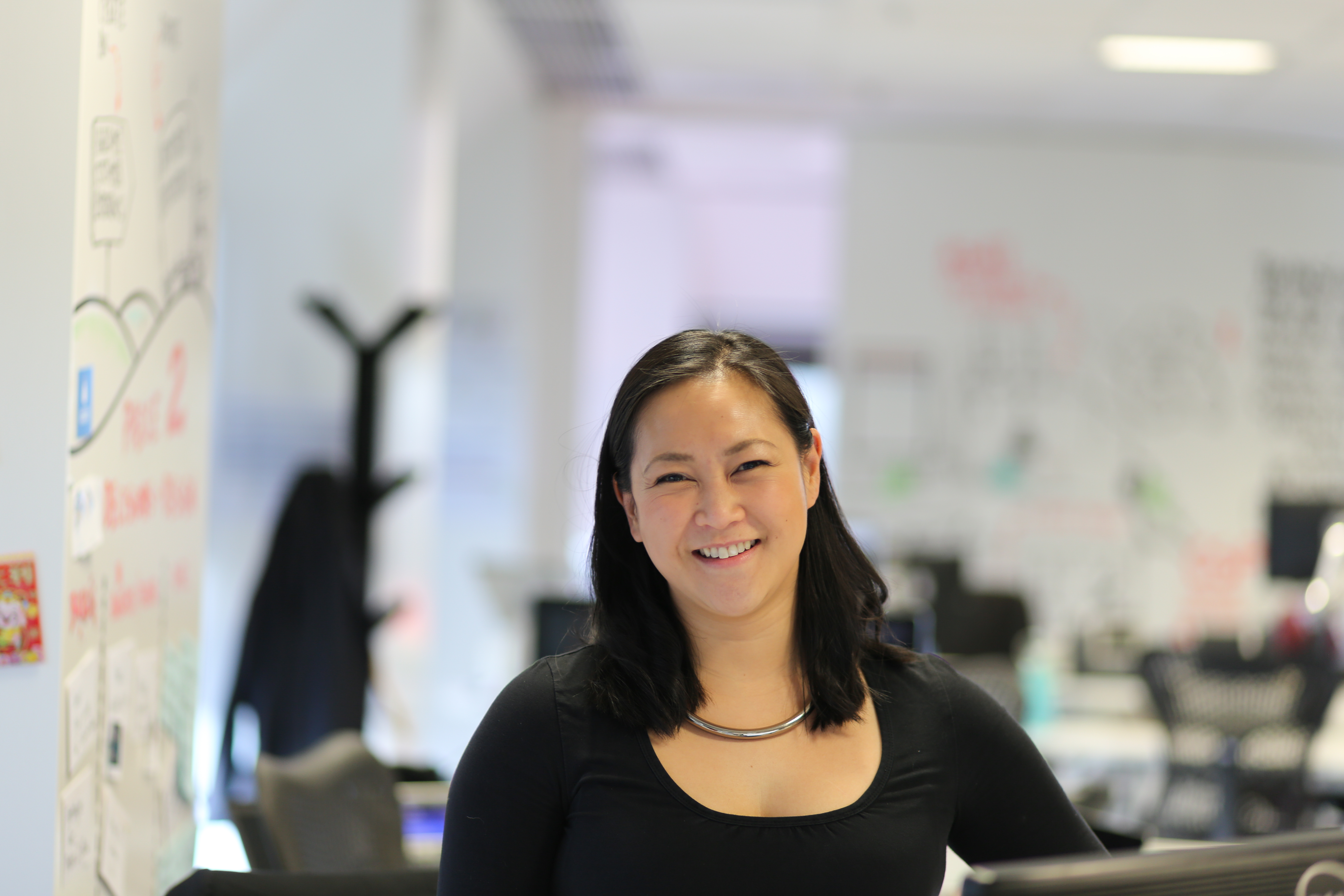
Jeanette Cheah is a marketer for an ASX-listed company by day, and working to raise funds for refugees by night (and sometimes during the day). She is also a driving force behind the Gingerbread Demolition — which is pretty much what it sounds like. What started as a fun Christmas party with some close friends, has now become a sponsored event for good.
Jeanette Cheah (Photo provided by Jeanette)
First, tell us a little bit about Gingerbread Demolition and where the idea came from:
The original Gingerbread Demolition started simply as a Christmas party for friends, where we had a large, lovingly-decorated gingerbread house as the centrepiece. Each year, the ‘smashing’ of the gingerbread house escalated (I think we still have gingerbread embedding in our ceiling) and the houses got bigger and more lavish. Eventually, the party simply outgrew our apartment, and we thought it was time to take it to the next level! It’s not often you get a chance to act like a big kid, and people really seemed to get excited about the chance to destroy something and be really playful – so it seemed like a great opportunity to take something fun and creative and do something good.
‘Before’ in 2014 (Photo provided by Jeanette)
This year’s Gingerbread Demolition event has ‘gone public’ – what is the plan?
This year we’re taking the ‘party’ and turning it into a ticketed ‘event’ – all themed around sugar, cheeky humour, and Melbourne’s start-up and food scene. The Gingerbread Demolition will be held on Saturday 12 December at an amazing warehouse venue on Flinders St in the CBD, and have been working hard to secure sponsors for the entertainment, silent and live auctions, as well as for the cause itself. We’ve got some great partners this year, with Uber, Hocking Stewart, Cupcake Central, LuxBite, General Assembly and even Etihad coming on board with some support. I’m really excited about our catering partner as well – Crepes for Change is a social enterprise food truck that helps to empower Melbourne’s homeless youth.
How can people get involved?
If you’re in Melbourne on 12 December, (or even if you’re not), we’d love to see you at the party – tickets and donations can be made at www.gingerbreaddemolition.com
Demolition imminent during the 2014 smashing (Photo provided by Jeanette)
What has been the motivation to raise the money for Save the Children?
We chose to raise funds for Save the Children Australia, partly due to a connection to a friend who worked for the child rights agency in Nauru, but also because we’re deeply passionate about refugee issues and treating people humanely and with dignity. There are still over 200 children being held in detention in Australia and in Nauru (another 642 in community detention)*, but everyone has a right to be in a safe place with their families – especially children and especially over the holiday period.
If we can raise just a little bit of awareness about what is happening to refugee adults and children in the name of ordinary Australians, inspire someone to a small action, and provide some funds to support Save the Children’s work to improve children’s health, education and welfare here and around the world, then I think that’s a worthwhile outcome.
everyone has a right to be in a safe place with their families – especially children and especially over the holiday period.
Gingerbread Demolition is something you do on top of a full time job and teaching – have you done a lot of work helping raise money for charity before?
Not really, if I’m honest! I have had some fundraising experience back in my uni days, but most of my social contributions in recent years have been either through personal donations or skilled volunteering.
I’m not going to sugar coat it (see what I did there?) – it has been challenging to fit in all the planning, negotiations, financials and marketing around the full-time job, but what I’ve found is that my energy reserves for organising the Gingerbread Demolition are a lot deeper than I expected. I’ve also been open with my employer about what I’m doing, and have been fortunate to work somewhere where ‘workplace flexibility’ and support for creative pursuits are realities rather than catchphrases – I hope this becomes more of a trend in corporate Australia.
In a way, it is kind of like skilled volunteering – applying what I’ve learned in the business world to something creative, which may have a positive impact on the community.
Do you have a favourite memory or story you can share about your work on Gingerbread Demolition so far?
It’s a small moment, but after weeks of non-returned phone calls and emails, and feeling like the event was a failure before it even got started, we heard back from Uber and Etihad in a single day – both with a ‘yes’. It was such a rush of relief, and made us feel that this idea really might have legs.
Every gingerbread house/city needs snowpeople (Photo provided by Jeanette)
Getting these types of events happening is always challenging – what has been the hardest thing about creating a ‘start-up fundraiser’ so to speak?
Good question! The hardest thing when you’re trying to build momentum is probably being taken seriously. If people haven’t heard of you before, you’re easy to dismiss, and you need to hustle and be able to deal with rejection. I’m pretty sure the first venue I was dealing with just thought I was a random chick who wanted to have a Christmas party – they didn’t grasp the big picture.
I think that’s why I’ve found the start-up, foodie and creative community to be amongst the most supportive – they know what it’s like to have a vision and are genuinely excited for anyone who is starting something from nothing.
The hardest thing when you’re trying to build momentum is probably being taken seriously… you need to hustle and be able to deal with rejection.
What is the one big goal or dream that you are focused on for Gingerbread Demolition? For example, is it something you ideally would like to see rolled out across the country?
Yes! I see the Gingerbread Demolition becoming sort of a love child between the cheeky humour of Movember and the community involvement of Australia’s Biggest Morning Tea. I would also like to have all funds raised dedicated to a specific project to support refugees next year, so we can see a genuine impact.
Next year, we’d love to see schools, workplaces, communities and individuals throwing their own Gingerbread Demolition parties all over the country. I think the gingerbread house is a nice alternative symbol of the holiday season, and there’s a huge potential to extend the concept to all corners of Australia (The anti-sugar movement may take exception, but I’m sure it’s possible to make sugar-free / cruelty-free gingerbread…).
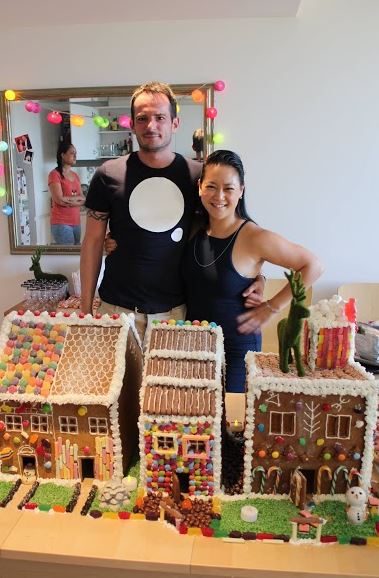
Demolition Crew: Will and Jeanette (Photo provided by Jeanette)
If there was one person you could sit down and talk with about Gingerbread Demolition, who would it be and why?
Food has such an amazing way of bringing people together, so I’d want to borrow from Kitchen Cabinet, and combine food with politics! I picture having a meal with Immigration Minister, Peter Dutton, and foodie extraordinaire, Matt Preston, to see if we could inspire some real talk about inclusivity, diversity and kindness.
I’d like to challenge Peter Dutton about his plan to speed up the processing of refugees coming to Australia and to increase our intake overall. And I’d love to speak to Matt Preston about how we could use the joy and beauty of food to drive more social action and enterprise in the general public.
What single biggest thing you would like people to learn, know or understand about making things like Gingerbread Demolition happen?
Whenever you create something new, it’s easy to be shouted down by people who don’t understand, who are unsupportive, or even by your own thoughts. Many times, I questioned what on earth we were doing, and what right we thought we had to try and build a sponsored, ticketed event that no one had ever heard of.
I’d like people to know that it doesn’t matter who you are – you don’t have to be ‘someone’ or have any particular qualifications or credentials. If you are inspired to create something and it comes from a place of authenticity, then wear it loud and proud, and dig deep to find the confidence to follow through with your actions.
In five words, how does creating Gingerbread Demolition make you feel?
*Source: Department of Immigration and Border Protection, Immigration Detention and Community Statistics. July 2015
:: ‘Not so ordinary’ is a project that shines a light on regular people doing amazing things, making a difference, or just living a passionate and interesting life. Please share this story using the social media buttons below and the hashtag #NSOpeople — thank you! ::
Media educator. Global connector. Pretending to adult.
Scott Bridges has worked in the media, written books about the media, and is now studying it for his PhD. He is also the co-founder of the Australia-Middle East Journalism Exchange which is about raising the quality of journalism.
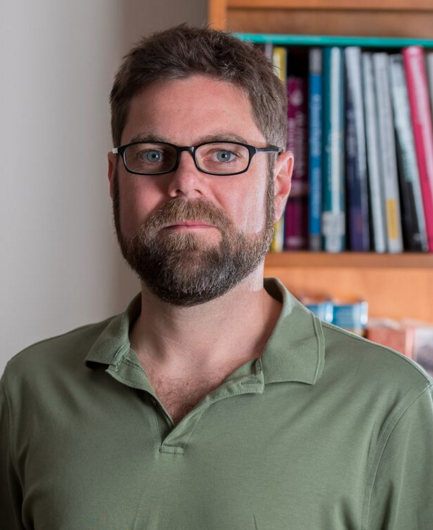
Scott Bridges, Managing Director of the Australia-Middle East Journalism Exchange (Photograph by Travis Longmore)
Tell us about Australia-Middle East Journalism Exchange:
Australia-Middle East Journalism Exchange (AMEJE) is a not for profit organisation that strives to improve cross-cultural understanding between the two regions by fostering better informed journalism. We’re still a very young company — barely one year old — but our mission is to become an enabler of positive change in Australian and Middle Eastern journalism, and an indispensable resource for journalists in both regions.
We’re focused on journalism because news plays a central role in shaping people’s perceptions of the world by mediating much of their exposure to it, and because poorly informed journalism undermines the public’s understanding of foreign peoples and cultures. One of the main drivers of the establishment of AMEJE was our observation that Australian media portrayals of the Middle East are often simplistic and clichéd, and the same applies in the other direction.
While we have a lot of exciting plans at various stages of development, our main focus at the moment is a flagship program of professional and cultural study tours for student journalists.
Although you currently live in Australia, you have worked, travelled throughout, and written a book about the Middle East. Was there a particular moment, or experience that sparked the idea to create AMEJE?
I can’t think of a single moment. It was more like a growing sense throughout 2014 that a lot of the journalism I consumed was oversimplifying complicated issues and lacking nuance. The Middle East in the Australian media can seem at times like an endless stream of quick-hit, shallow yarns about conflict, Islamic radicalism, and dictatorship. While the region obviously has its fair share of that sort of stuff, focusing on those topics alone draws a one-dimensional caricature that overlooks the Middle East’s rich texture of cultures, societies and human stories.
Similarly, I know from my time in the Middle East that Australia is represented in the news in much the same way (if at all) — a Syrian friend once told me that Australia in the Arab media is represented as nothing more than just another military force involved in its conflicts.
Hopefully AMEJE can make even a small difference in how the news media in each region reports on the other.
Earlier this year you ran an AMEJE study tour throughout the Gulf – what was the objective of that? Will you be bringing delegates from the Middle East to Australia in the future?
The purpose of the 2015 study tour was to immerse delegates in a program of working visits to newsrooms and cultural institutions in the UAE and Qatar. Over the course of nearly three weeks, the delegates met with journalists, government representatives and everyday people; they gained personal experience of some Middle Eastern cultures and media systems; and they started building a professional network of contacts they can draw upon throughout their careers.
Throughout the tour, under the guidance and mentorship of AMEJE staff, they critically reflected on the whole experience, produced works of journalism (including an article published by Fairfax), and put together work for assessment in the final journalism unit of their university degrees.
In 2016 we’re planning a two-way exchange of delegates between Australia and the Middle East: we’re working to bring a group of journalism students from Qatar University to Sydney and Canberra, and take another cohort of University of Canberra students to the UAE and Qatar.
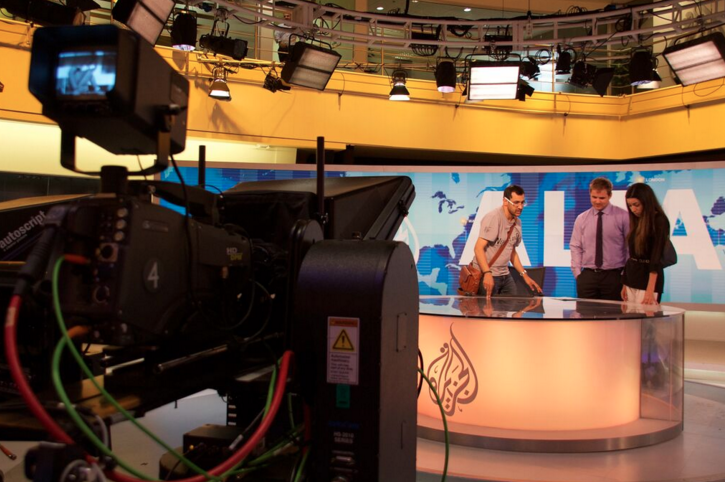
Al Jazeera presenter Kamahl Santamaria (left) takes study tour delegates Zac Schroedl (middle) and Scherry Bloul (right) on a tour of the Al Jazeera studios in the organisation’s headquarters in Doha, Qatar.
Starting these types of organisations is always challenging – what has been the hardest thing about getting AMEJE off the ground?
I’m pretty hopeless with grown up stuff — I struggle to manage an ABN and a personal tax return — so just the administration side of starting a company was traumatic enough for me, but I’m lucky that my colleagues and the other company directors are much smarter than I am so we managed to get everything roadworthy and legal.
The time from decision to start the company, to day one of the inaugural study tour was about nine months. Looking back, I am still amazed that we managed to make it happen given the sheer amount of planning required, the number of moving parts, and the uncertainties. In those nine months we set up the company, secured funding and support from partners, came to an agreement with the University of Canberra, conducted a research and planning trip to the Gulf, ran a selection process for delegates, and put together a nearly-three-week study tour program. And then the tour went off almost perfectly to plan!
An ongoing challenge for the foreseeable future will be budgets. As a not for profit we obviously rely on the support of like-minded people and organisations to fund our activities. We’ve been very grateful for the support we’ve received so far — especially from the Department of Foreign Affairs and Trade’s Council for Australian-Arab Relations — but one of our priorities at the moment is diversifying our sources of funding and securing them into the future.
Do you have a favourite memory or story you can share about your work on AMEJE so far?
Getting on the plane to fly to Dubai for the study tour was pretty surreal — I couldn’t believe that all the planning and plotting had paid off and it was actually happening.
But I guess one memory that sums it up nicely is how at the end of every (tiring) day while on tour I would sit down and write a long email to my AMEJE colleagues back in Australia to let them know how the program went. I remember almost every email including some sort of variation on “the delegates thought today was the best day of the tour so far” or “watching the delegates engage with today’s experiences was the highlight of the tour so far.” It was a great feeling to sit down and reflect on how this pilot project was smashing fresh KPIs each day, and to receive such strong and constant feedback from the delegates about the value of the experience to them.
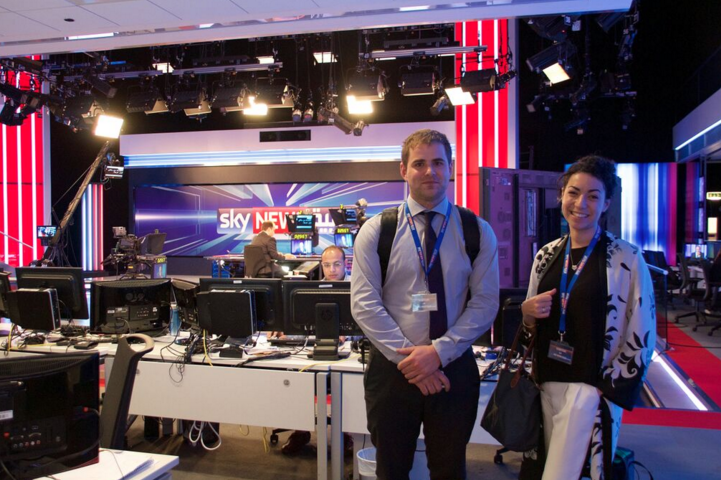
Zac and Scherry in the Sky News Arabia newsroom in Abu Dhabi.
What is the most common reaction from media colleagues when you talk to them about AMEJE?
Overwhelmingly positive. Those I’ve spoken to are nothing but supportive.
What single biggest thing you would like people to learn, know or understand about making things like AMEJE happen?
I really don’t think I’m in a position to speak with authority about making stuff happen because I feel like I’m making it up as I go along. While my colleagues and I have worked extremely hard, there’s no denying that in certain ways we’ve benefitted from a healthy dose of luck and fortuitous timing. But I think one bit of advice I could offer is get yourself excellent colleagues like mine who are intelligent, creative and who have diverse expertise.
What is the one big goal or dream that you are focused on for AMEJE?
I would love for us to one day be in a position where Australian and Middle Eastern journalists’ first thought when putting together a story on the other region was to ping us for help in getting linked up with information or resources. I’m also looking forward to one day being able to watch all of our study tour delegates from over the years putting their experiences to use by producing great reporting as part of their successful careers.
If there was one person you could sit down and talk with about AMEJE who would it be and why?
This answer is such a cop-out but I’d love to buy someone a coffee who shares our passion for cross-cultural understanding and who might be in a position to invest in the next generation of Australian and Middle Eastern journalists.
In five words, how does creating the Australia-Middle East Journalism Exchange make you feel?
Pretend adult with business cards.
The AMEJE Study Tour delegates
Zac Schroedl and Scherry Bloul are the first delegates to take part in the AMEJE Study Tour, and here’s what they have to say about their experience.
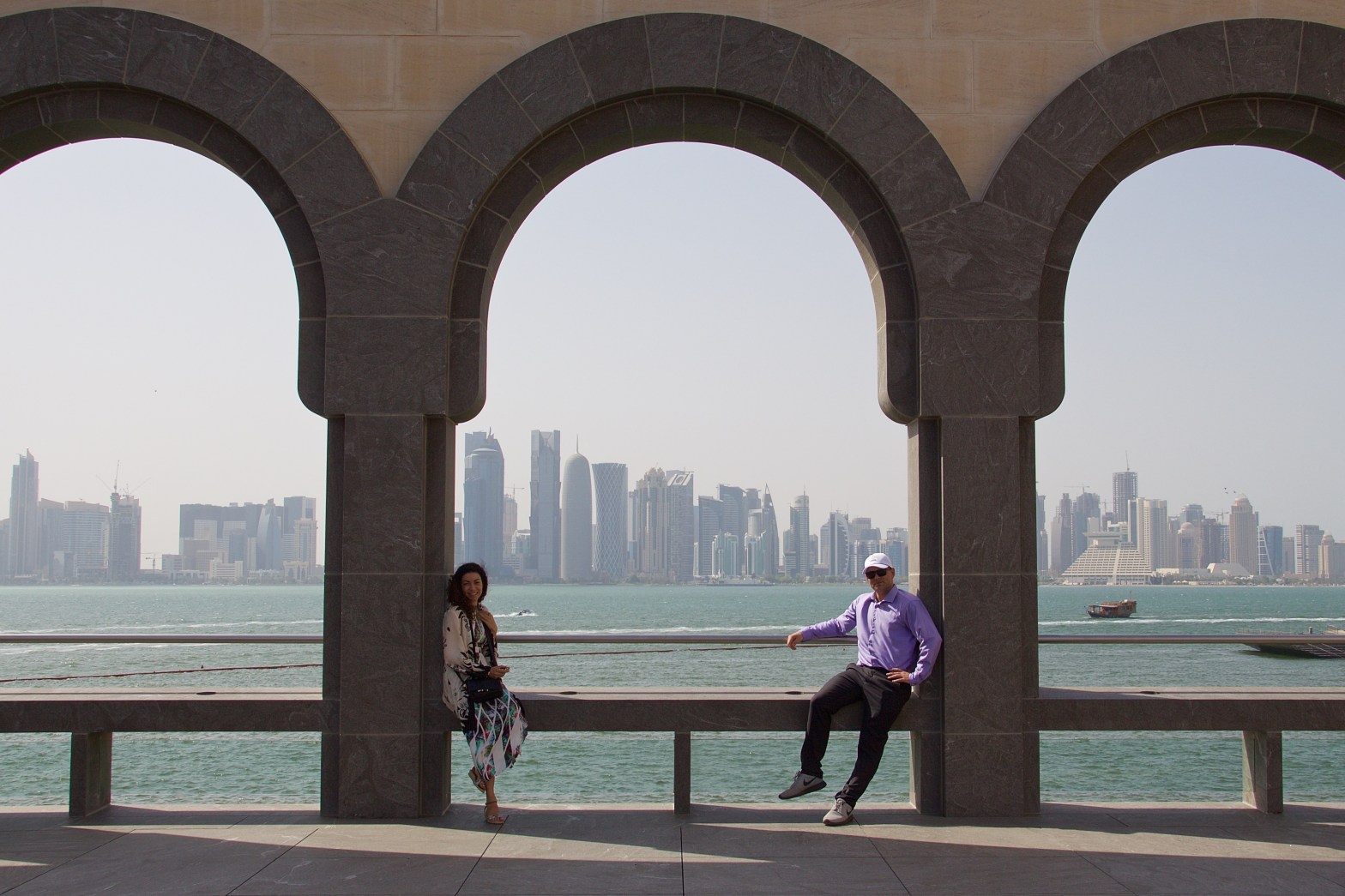
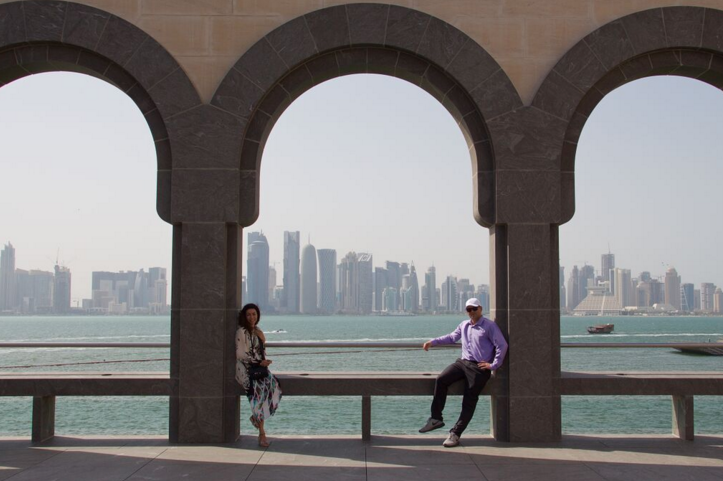
Scherry and Zac in Doha, Qatar.
What motivated you to get involved with AMEJE?
Zac Schroedl: My motivations were gaining practical experience and seeing a part of the world that I knew very little about.
Scherry Bloul: From a young age, I have always been interested in cross-cultural interaction. Coming from a multi-ethnic background, I have always taken on a chameleon role in explaining differing points of view. Being interested in multicultural issues, specifically in world affairs and their relation and interpretation in Australia, I have noticed a cultural divide in the communication and interpretation of news.
The Middle East is ever-present in the news, and in the West, not often in a positive way. Conversely, the Western world is often viewed with suspicion in the Arab world. It is therefore especially important to be able to, in the best case, bridge the cultural divide between these two worlds, or at the very least to have a better idea of the gap in cultural understandings between these two civilisational areas.
I wanted to be able to know more about the Arab world. Also if I hope to work in the region I need an understanding of it. This particular program provides the tools necessary to start developing this understanding.
In the Al Jazeera control room with director Alan Adair.
You were selected to be part of the 2015 AMEJE Study Tour in the Gulf earlier this year. What was your professional highlight of the study tour?
Z: The professional highlight of the tour was interviewing Sue Turton, one of the Al Jazeera English journalists convicted in absentia alongside Peter Greste. I’d hardly slept the night before and had accidentally left my laptop behind at the hotel. So when Scott told us we had the opportunity to interview Sue I was none too excited. I began researching her on my smart phone knowing she was sitting just metres away. It was a strange but enlightening experience. During the interview, she revealed that she would be resigning from the organisation due to her terrorism charges. We had a scoop! Later that evening, my colleague Scherry and I wrote a short article about it which was printed in Fairfax newspapers in Australia.
S: Out of all the various newsrooms we visited, most notably Al Jazeera, you could see many of different nationalities and backgrounds working together and, more importantly, contributing different perspectives and points of view to news. You just don’t see the same amount of diversity in Australia’s newsrooms, unfortunately.
Whilst at Al Jazeera, the other delegate and myself were able to interview Sue Turton, one of the ten AJ journalists convicted in absentia of the same charges as Peter Greste. We then successfully pitched, produced and published her story — she had to quit Al Jazeera due to travel bans imposed by her conviction.
Sue Turton (left), one of the Al Jazeera journalists who was in trial in absentia in Cairo, being interviewed by Scherry and Zac.
What was your social/cultural highlight?
Z: During the first day in Qatar, we were lucky enough to be taken on a 4WD experience in the desert. I’d never seen anything like it before. Some of the sand dunes were fifty metres high and our driver would accelerate right over them and we’d slide down the other side. Afterwards, we jumped into the warm waters of the Gulf and sand-boarded down the steep dunes overhanging the beach. We dined on traditional Qatari fare and spent the evening staring at the stars and attempting to name a country from each letter of the alphabet.
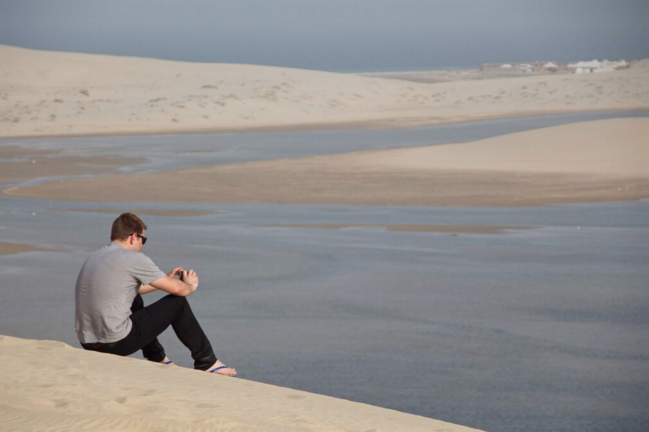
Zac on top of the dunes in Qatar.
S: As with any immersion program, meeting locals and mingling with people was the clear highlight. Interviewing many women about life in the Arab world not only broke any preconceived ideas I had about issues, but it also enlightened me to the empowerment of women in the Persian Gulf.
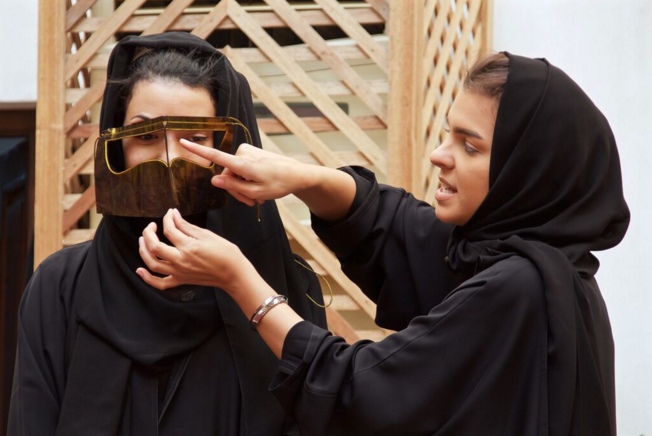
Scherry, who volunteered to model Arab women’s clothing for host Dahlia’s presentation, at the Sheikh Mohammed Centre for Cultural Understanding in Dubai.
What is the main topic/event/issue you understand more about now, than before the study tour?
Z: Media ownership. Since visiting newsrooms and media outlets in UAE and Qatar I’ve realised that organisations will present stories in various ways depending on the political, social and economical contexts of its owners.
S: I met many women who live and work in the region and this has led to more research into feminism in the Middle East, I would have to say I understand more about women’s issues and rights in the region.
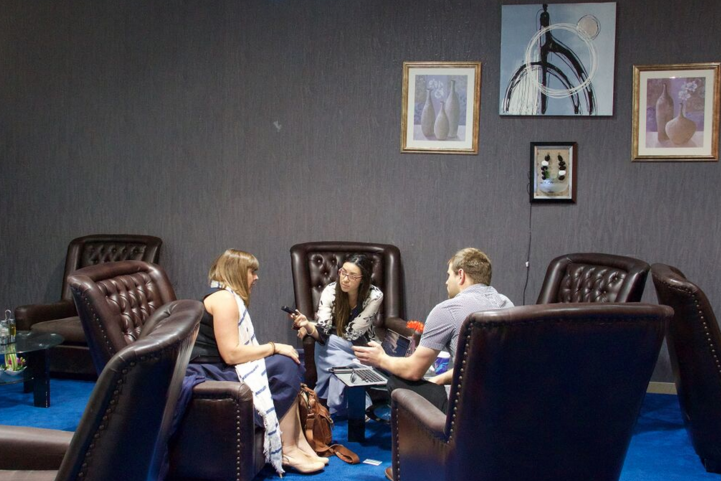
Zac and Scherry in a writing workshop with Al Jazeera presenter Kamahal Santamaria (right).
If there was just one thing you would like people working in the Australian media to understand more about Australian and Middle Eastern journalism, what would it be?
Z: Do not take for granted the freedom the media has in Australia. Here we can approach a shopper on the street and get a vox pop of them quite literally calling the Prime Minister a wanker. This would not be possible in UAE or Qatar. The state controls much of the media that citizens are consuming, so citizens and expatriates alike are fearful of saying anything that might get them arrested or deported. Operating as a journalist in a non-democratic society would be like swimming with a weight attached to your leg. I admire many of the journos over there who have to deal with a system like that.
:: ‘Not so ordinary’ is a project that shines a light on regular people doing amazing things, making a difference, or just living a passionate and interesting life. Please share this story using the social media buttons below and the hashtag #NSOpeople — thank you! ::
Organiser for women. Spreading dignity. Wanting you to understand the humans.
Donna Stolzenberg was the right woman to hear the right idea at the right time. She is the co-founder of the Melbourne and Sydney Period Projects – an organisation that coordinates sanitary items (and support) for women experiencing homelessness.
Tell us a little bit about the Period Project and where the idea came from:
The idea was really a collective of issues all coming together. I’d been running a very successful blanket drive for people experiencing homelessness in Melbourne, and when you’re in that realm, suddenly everyone sends you everything else to do with homelessness. I was sent information on the Homeless Period movement in the UK. I promised that when Blanket Melbourne was up and running, I’d look into what I could do to help women who were homeless through their period. Then I saw a post in a homeless support group I run, from a woman asking if someone would listen to an idea she had. That person was my now co-founder, Nat. She wanted to help women and transgender men experiencing homelessness with their period.
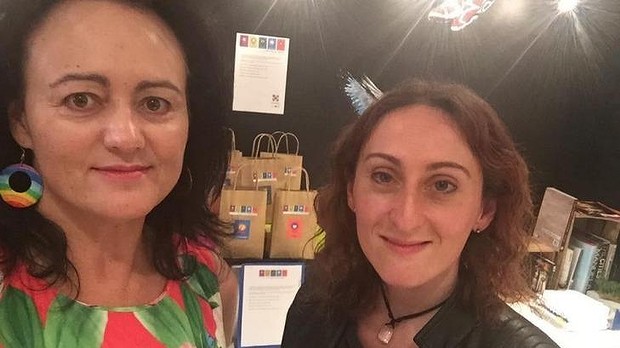
Period Project co-founders Donna Stolzenberg (left) and Natalie Cruz.
Have you done anything like this before?
Not on this scale but once I ran an eight-week blanket drive and managed to collect around 3000 blankets for the homeless. We sent them all off to an amazing organisation called Anonymous X to have them delivered to the homeless.
Getting these types of organisations happening is always challenging – what has been the hardest thing you have had to work through?
People’s misconceptions about homelessness. Most people want to help and they’re aware that people who are homeless need help, but they’re not really aware of what being homeless actually entails. So we get all kinds of well-meaning, but really inappropriate offers of donations. Like dining chairs…
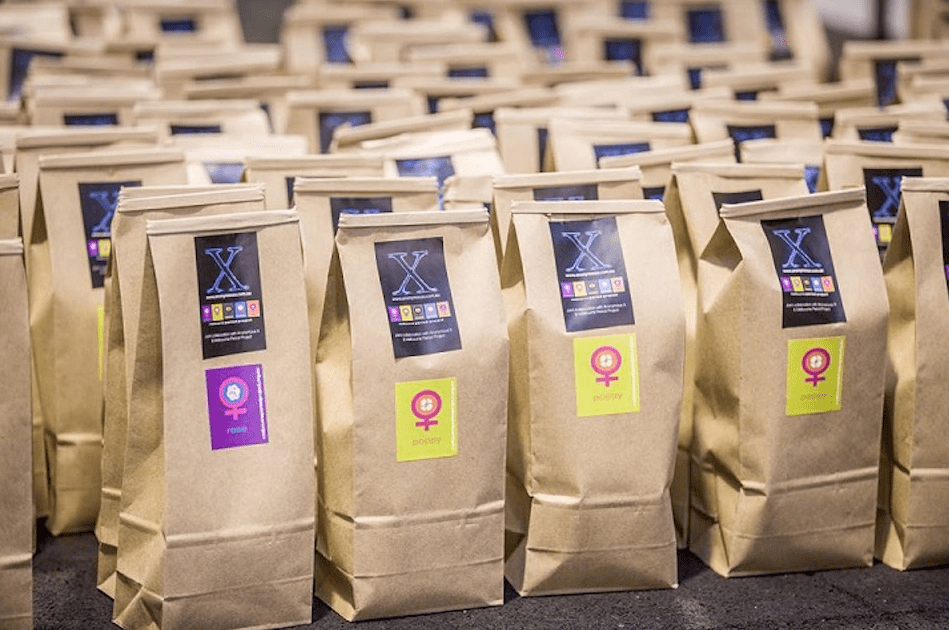
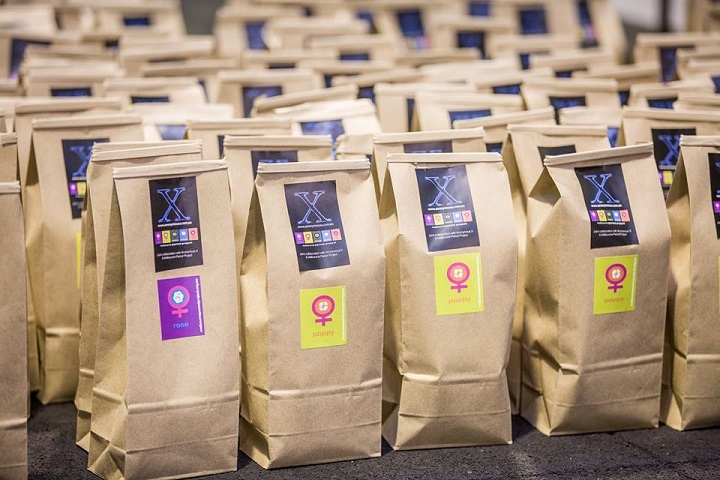
Packs of sanitary items ready for distribution. (Photo via Donna Stolzenberg )
How do you connect with people to spread the word?
We use social media, mainly Facebook and Twitter. But one of our greatest tools is the other organisations we connect with and work with. Social media allows us to connect with the general public. Our partner organisations allow us to connect with people experiencing homelessness whom we otherwise might miss.
one of our greatest tools is the other organisations we connect with and work with
Do you have a favourite memory or story you can share about your work on the Period Project so far?
Hearing Nat recall a story of when she asked a lady who was homeless, if she needed any sanitary items. The lady said no, because she had just been to another organisation and they gave her a pack with a flower on it, that was in a brown bag. It was one of our Period Packs. The lady was saying how much she loved it, and it was just like a present.
What are you most proud of with the Period Project?
I’m proud of the unwavering support we’ve had. We have had some people question us about what we do but when we take the time to explain why we need to do this, they really come on board and want to help. We’ve managed to get support from average people, to huge companies. I’m proud of our status and that everyone knows we’re here to help and to provide a much-needed service. The support we have had from everyone has been huge.
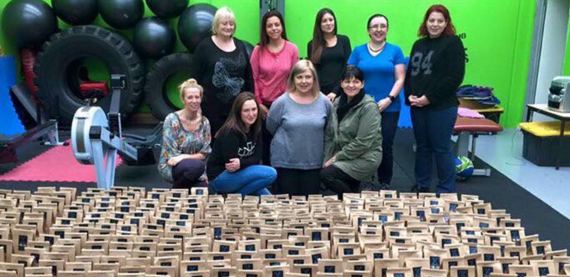
Volunteers after a group effort of packing 600 Period Packs for women experiencing homelessness. (Photo via Melbourne Period Project Instagram)
What is the one big goal or dream that you are focused on for the Period Project?
Our ultimate goal is making sure every person out there who needs a period pack, has a period pack. There are 9200 women in Victoria alone who need help, and we aim to help every single one of them. We won’t stop until we do. Even if there is one person out there still in need, then we haven’t done our job. Our goal is to also provide a national service to all people experiencing homelessness. That’s going to be a gradual thing but at the rate we’re growing we’ll have it covered before long.
If there was one person you could sit down and talk with about the Period Project, who would it be and why?
The Hon Michaelia Cash, Minister for Women. I would love the chance to explain how much of a positive change we can make to the lives of women experiencing homelessness if we make sure every single one of them has access to adequate sanitary items every single time they need it.
What single biggest thing you would like people to learn, know or understand about the Period Project?
The sheer number of products we need. People tend to forget their donations literally get flushed down the toilet or thrown in the bin. We need to re-stock every single month. So, as much as we love that people donate, we’d love them to donate on a regular basis, so we know we can really support the people out there who need us. We rely totally on public donations. We need those to keep coming in.
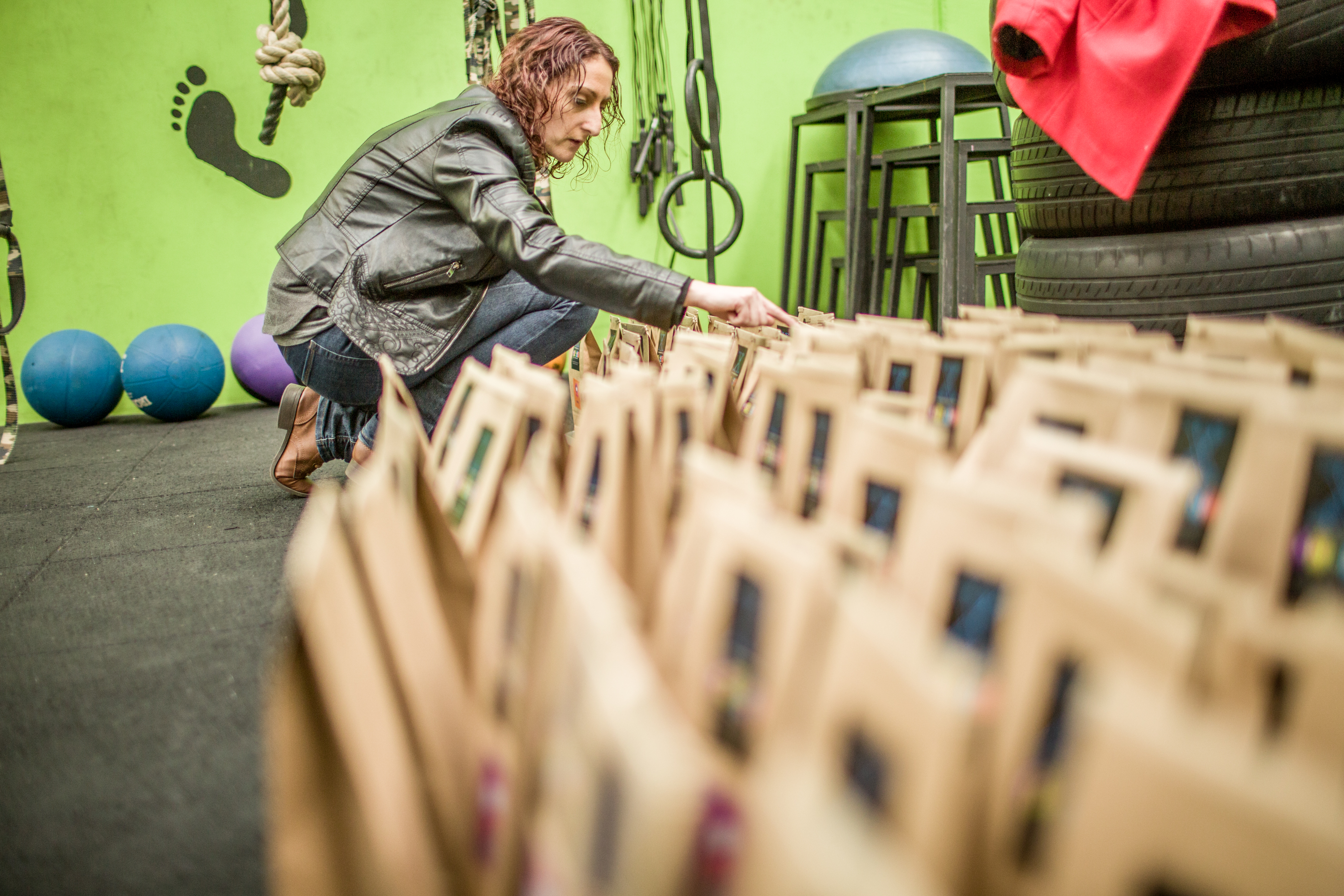
Period Project co-founder Natalie Cruz counting the period packs. (Photo via Donna Stolzenberg)
What do you think people need to understand about people experiencing homelessness?
I’d like for people to understand the humans behind the homelessness. The people we’re helping. They’re people, just like you and me. But somewhere they took a wrong turn, or someone took it for them and they ended up without a home. They need to be treated like people. Give without judgment or expectations of praise. Help people even when there’s no kick back for you.
I’d like for people to understand the humans behind the homelessness.
In five words, how does making the Period Project happen, make you feel?
:: ‘Not so ordinary’ is a project that shines a light on regular people doing amazing things, making a difference, or just living a passionate and interesting life. Please share this story using the social media buttons below and the hashtag #NSOpeople — thank you! ::

















 Amy Feldtmann