Not so ordinary: Kelly McJannett

Problem solver. Food securer. Not accepting we can’t do better.  

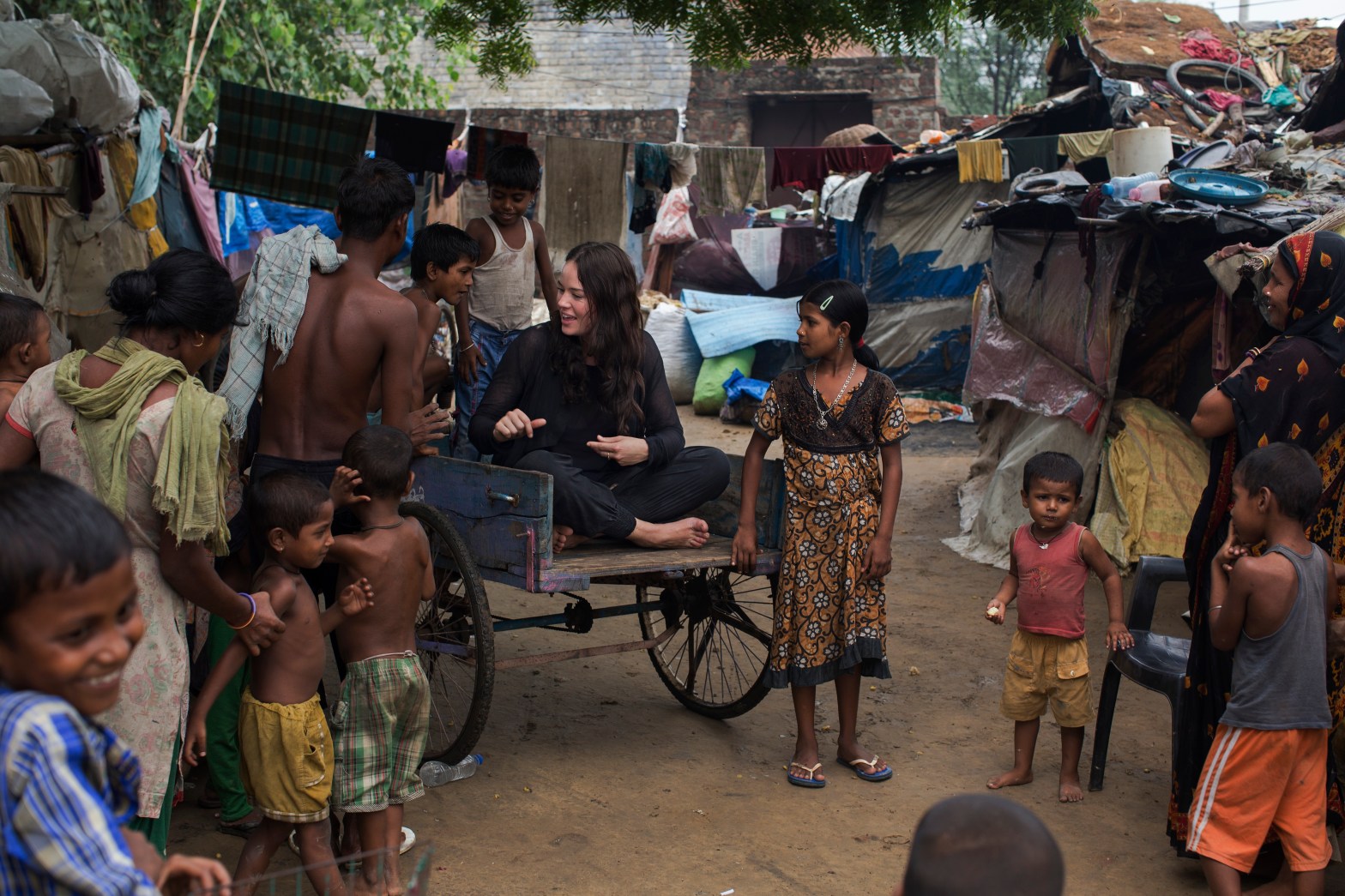
Kelly McJannett is a Sydney woman on a mission. And it is a big mission: to address malnutrition and help create financial security for women. Kelly is doing this through her organisation ‘Food Ladder’. 

Kelly McJannett (Photo: Matthew Abbott)

Tell us a little bit about your organisation, Food Ladder:

Food Ladder is an international NGO dedicated to addressing food security by empowering women to grow their own vegetables using our custom designed hydroponic greenhouse system.

Basically, we have appropriated commercial grade hydroponic technology, adapted it, and made it available to those who need it the most. It’s a solution which is innovative and replicable and we have been growing, fast!

Each Food Ladder becomes a social enterprise that creates financial security for the women themselves and addresses the dire implications of malnutrition and hunger in their local community. Each system is designed to employ 30 women and feed up to 250 people. We are operating in the challenging regions of India, Afghanistan and remote parts of Australia currently with a focus on expansion through out Asia and Africa in the imminent future.

What was your hope or intention when you started? Have you met that, or has it grown into something different?

My hope was to empower people who have very little to improve their own lives on a very micro, local level – community by community, and simultaneously address the overarching global challenge of food security. With so many challenges facing our collective humanity, I wanted to create a solution that just made really good sense, and I believe Food Ladder is just that – a really good solution to a pervasive and worsening crisis.

I wanted to create a solution that just made really good sense

While food security was the overarching concern, the ancillary benefits of our work have surpassed expectation. By empowering women we improve not only their financial security, but also the lives and futures of their children who may now hope for an education and more to eat. We also know that impoverished women who enjoy a job or financial security have, on average, fewer children, which has huge implications for population growth and the burden on the environment.

What really excites me however is that we have a replicable, environmentally and financially sustainable solution which we can roll out to any in-need community around the world. Having recently launched a micro-financing model in India our reach and impact is growing ever greater. This year we will roll out 20 systems to the slums of India alone, next year it will be 80.

The response and uptake of Food Ladder from the international community has been extraordinary and I look forward to the next phase of our evolution.

(Photo: Matthew Abbott)
Food Ladder is focussed on addressing malnutrition in children as a major ancillary outcome of its global social enterprise solution. (Photo: Matthew Abbott)

You originally worked in marketing and communications – what got you interested in starting a social enterprise?

I wanted to be a part of the solution. In the early stages of my career I became aware that I could use my time and energy a number of ways; pragmatic social change was how I wanted to invest myself. Rather than work in the traditional non-profit space, I wanted to find the opportunity in the changing economic drivers and emerging markets. Food Ladder is our response.

To put an even finer point on it, it was my first trip to India in 2010 that made me focus in on finding a solution with international relevance to food security and empowering women. I have one particular memory of sitting on a train as it pulled away from a major intersecting station. I remember I had a sandwich on my lap… What I initially thought was the peripheral poverty you see in most third world cities, this stretched on and on for over an hour as the tracks ran through the middle of one of the larger slums in India. I couldn’t believe the numbers of people that were living in such dire conditions. I was also deeply shocked by the children, the fleeting glimpses of which revealed the swollen stomachs of malnutrition.

Needless to say I lost my appetite.

Today I work in the same slums that moved me when I was 23. And while it is nice to be a part of a solution, there is so much more to be done.

Food Ladder has a health/aid side, and an environmental sustainability side. Is it ever challenging to serve both of those goals?

Not really because Food Ladder has food aid and environmental sustainability in the very ethos of the design of the systems which we deliver to communities and the mandate for our organisation. The major challenge for us is securing sufficient support to service the international need! For this reason we are focussed on the development of strategic government partnerships that will enable us access to the communities calling on Food Ladders around the world.
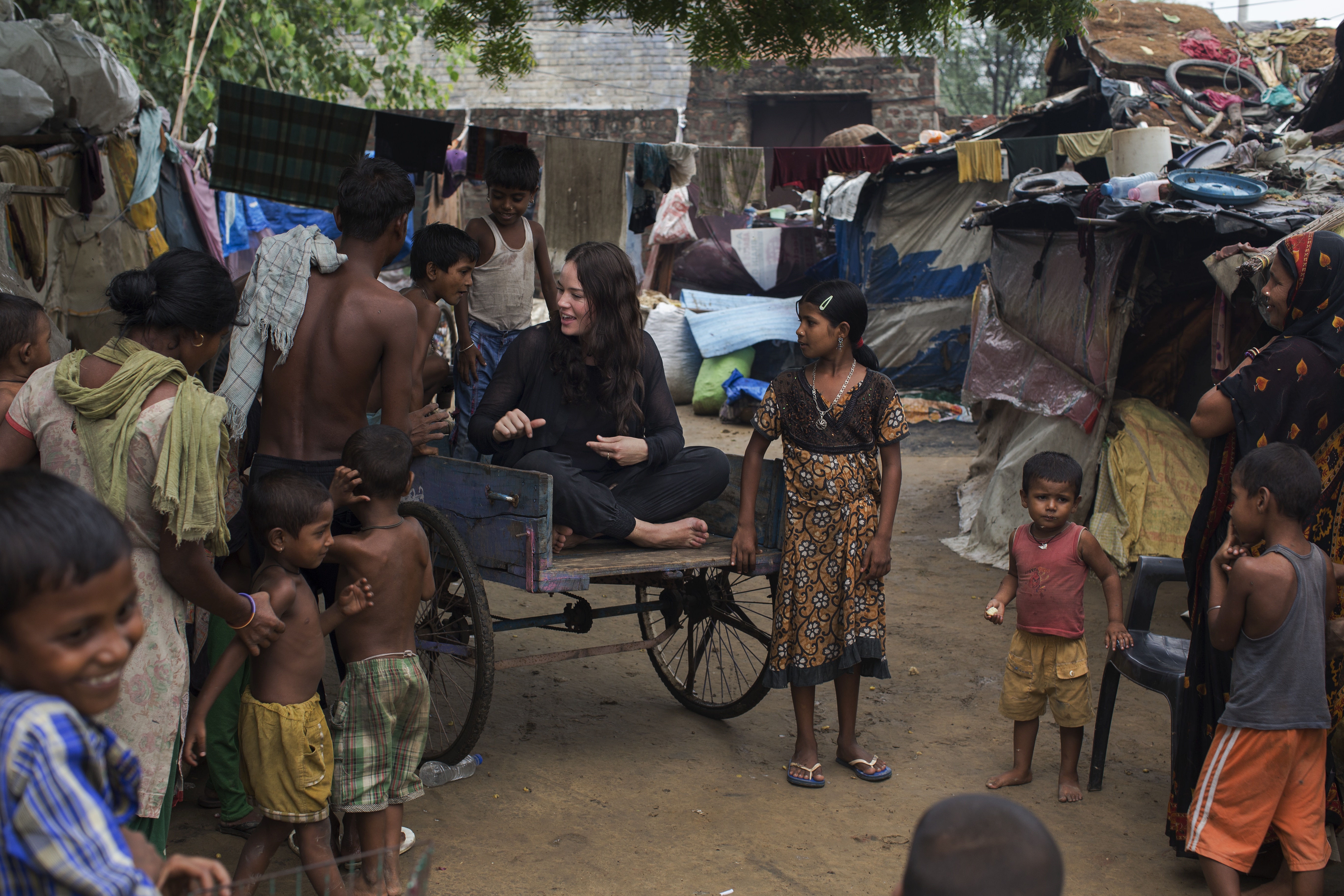
Kelly McJannett in Haryana, West Delhi, India (Photo: Matthew Abbott)

Food Ladder recently launched the Indigenous Professionals Development Fund, can you tell us what that is all about?

The Indigenous Professionals Development Fund is an exciting addition to Food Ladder. The Fund is designed to provide scholarships to Indigenous professionals who are pursuing leadership roles in their area of expertise. We have launched the fund with $200,000 donated from two leading Australian insurance companies and will be announcing our first recipients this December.

Mick Gooda, the Aboriginal and Torres Strait Islander Social Justice Commissioner is our Chair and has been critical in the design of our guidelines and outcomes.

Do you have a favourite memory or story you can share about your work on Food Ladder so far?

One of my favourite memories would have to be in Delhi. It was earlier in the year and I had been living in India for a month, working with our excellent Indian partners, Anita and Shalabh Ahuja, to roll out the systems.

The CEO of our partner in Afghanistan, who has today become my dear friend, Sidiq Rawi decided to spend a week with us in India and learn more about our solution prior to our implementation in Kabul.

In the lead up to the trip I had spent a lot of time briefing Sidiq in great detail about what we do and how we do it and, more importantly, the importance of Food Ladder in the lives of the disadvantaged people who live in the slums of Delhi. He patiently and kindly listened to everything I had to say.

When Sidiq arrived at our first Food Ladder site, he promptly turned on his heal and started asking the women we were working with a host of questions. Keeping in mind I cannot speak Hindi, I had no idea what everyone was talking about. I found out later Sidiq asked questions such as, how they liked the work? What their lives had been like before Food Ladder? And, what they hoped for in their futures?

I didn’t need to explain the importance of Food Ladder to Sidiq after that!

For me it was a very out of body experience. The organisation we had created had truly grown a presence beyond me. The truth is that what I said to Sidiq, while he was always interested to listen, had little value. What really mattered was that the people we were empowering in India loved Food Ladder, they were grateful for the opportunity and the jobs had changed their lives. End of story.

That was the catalyst for Sidiq deciding that Food Ladder was the solution to food security, not only in the orphanages that he runs in Kabul, but for Afghanistan as a whole.

What is the one big goal or dream that you are focused on?

I would like to think that one day our organisation will be able to deliver a Food Ladder to any community that wants and needs one, anywhere in the world. In order to do that our team will need to work alongside governments and global agencies that understand that hunger, malnutrition and food aid need a sustainable solution. It’s a big mind-shift, but I think with some vision and hard work, it’s possible.
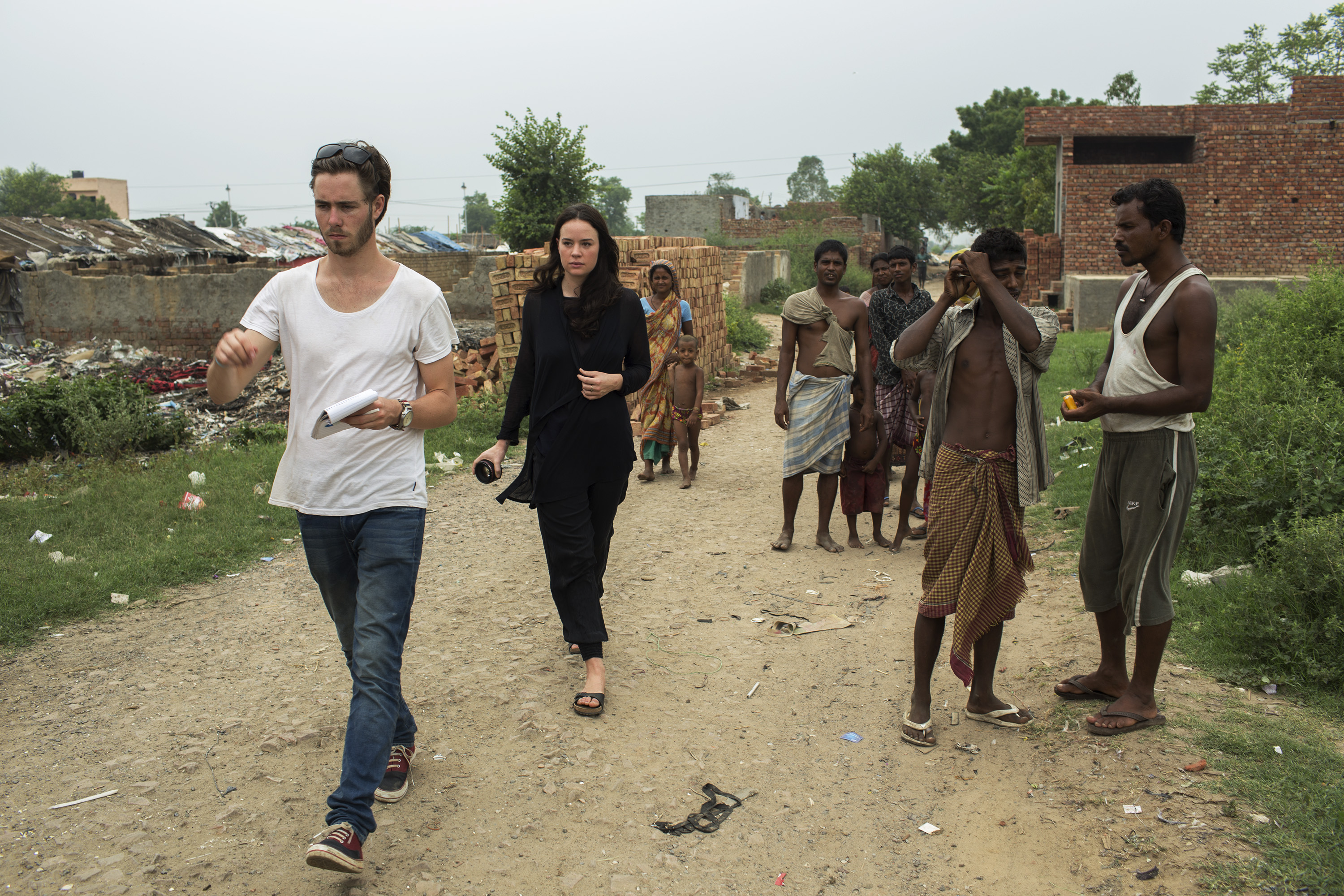
Kelly and volunteer Dylan Barber in Haryana, West Delhi, India (Photo: Matthew Abbott)
Kelly and volunteer Dylan Barber in Haryana, India (Photo: Matthew Abbott)

What single biggest thing you would like people to learn, know or understand about what you do, or what Food Ladder does?

When I tell people what I do, I get one of two responses; either ‘I feel so inadequate’ or ‘good on you, you’re such a good person’… or something of that ilk. I find this really frustrating.

The number of people that feel inadequate about what they do with their lives, but continue to live that way, is staggering. It is really easy to align yourself with something that you are passionate about. Sure it takes some nerve to make the leap, but over time, doing what you feel passionately about for a ‘job’ is more natural than anything else in the world. To the other half of those strangers one speaks to at dinner parties I would say, I don’t think of myself as a ‘good’ person because I want to empower impoverished women and address food security!!

The number of people that feel inadequate about what they do with their lives, but continue to live that way, is staggering.

I am a problem solver with empathy and I refuse to accept that we can’t do better.

I wish more people would realise that a project like Food Ladder is not merely a virtuous endeavour. Organisations like Food Ladder are created to solve issues that affect us all whether directly or indirectly, and I believe we all share responsibility for the sustainability of our planet and the problems facing humanity. I would like to see our society understand that Food Ladder and organisations like it are solving issues that are real and worsening and have overwhelmed most.

I believe that if organisations like Food Ladder can be considered with the same validity, if not greater, than corporations designed only to feed a bottom line, we might have a real shot at changing the landscape of global business. And that is really exciting.

In five words, how does Food Ladder make you feel?

Depending; tired, overwhelmed, overjoyed, ecstatic.

Kelly has been nominated in the 2015 Cosmopolitan Magazine Fun Fearless Female Women of the Year Awards – you can vote for her on the magazine’s website (make sure to do so before 5pm Friday 16 October AEST time). You can learn more about Food Ladder on its website, or follow them on Twitter @FoodLadder, or like them on Facebook, or see what they are up to on Instagram

:: ‘Not so ordinary’ is a project that shines a light on regular people doing amazing things, making a difference, or just living a passionate and interesting life. Please share this story using the social media buttons below and the hashtag #NSOpeople — thank you! ::
Not so ordinary: Brett Seychell

Traveller. Social entrepreneur. Cycling to educate.

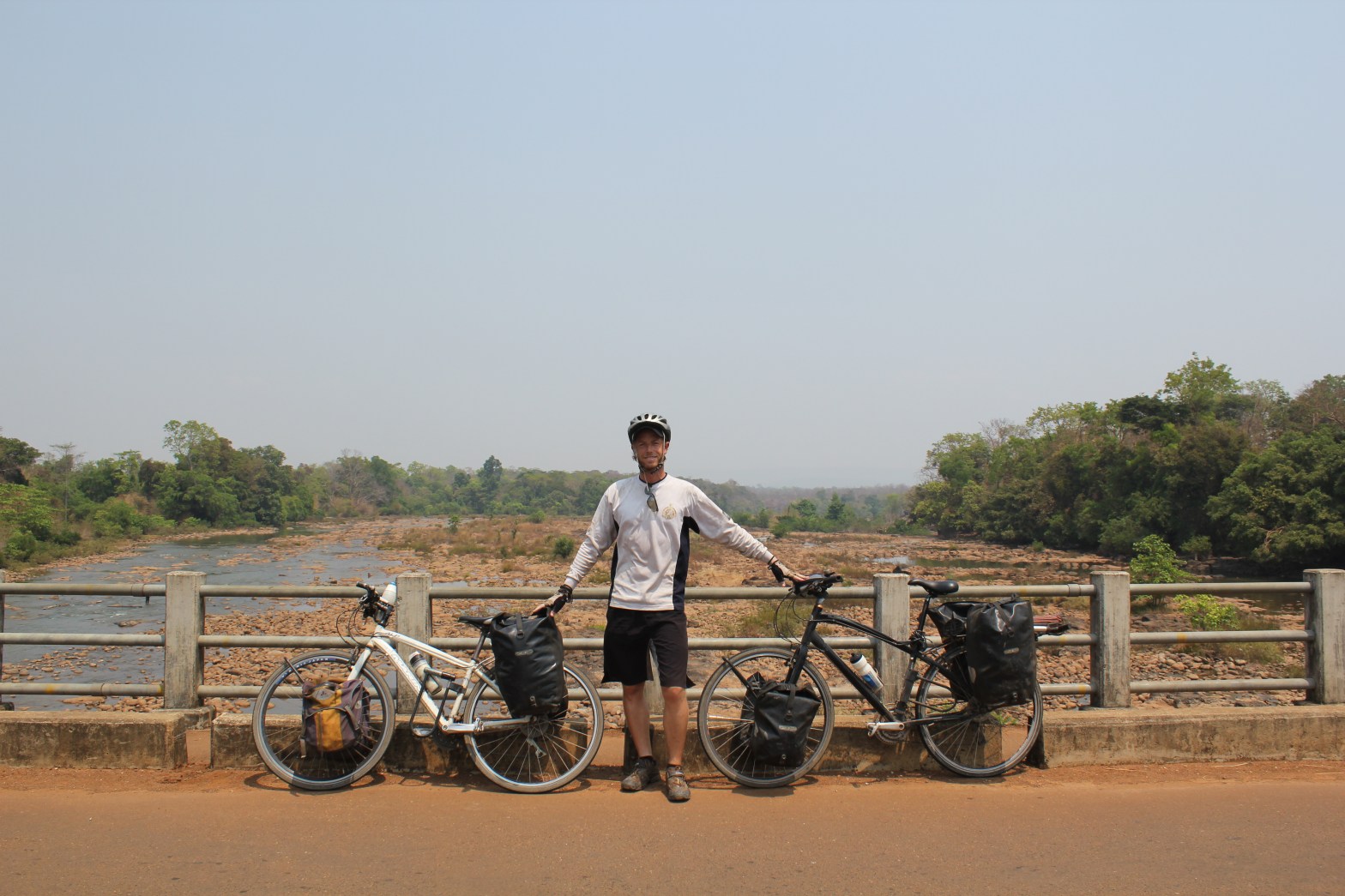
Brett Seychell went on a cycling holiday in Europe to take a break from his London job. Many countries and roads later, he founded Social Cycles, and now leads others on bicycle tours with a strong social-conscience compass.

(Photo: Brett Seychell/Social Cycles)

Tell us a little bit about Social Cycles:

Social Cycles is a start up social enterprise that enables people to visit local grassroot non-government organisations (NGOs) in Cambodia by bicycle. It is designed for those who want to help but are not sure how. For the kind hearted and the curious. For the skeptical and inquisitive. For the open minded and the adventurous. Social Cycles brings people together to educate ourselves by helping others.

The bicycle tour starts in Phnom Penh, Cambodia, and finishes in Siem Reap. The cycling distance is 500km. The tour includes 13 nights hotel accommodation, bicycle hire, one Australian guide, one local guide, full support vehicle for the ride, and seven NGO presentations with local staff across Cambodia. The tour also involves multiple field trips to villages and communities, entry to Angkor Wat in Siem Reap and The Killing Fields in Phnom Penh, full dinners in six different social-enterprise-based training restaurants, and a cooking class in a local home.

What made you interested in starting Social Cycles?

(Photo: Brett Seychell/Social Cycles)

In 2011, I thought I would challenge myself and ride a bicycle from London to Melbourne. I turned my back on my corporate career and almost two and a half years later, after 28,000km, 26 countries and more than a lifetime of amazing memories, I arrived home in Melbourne.

Before leaving (on that big bicycle trip) I felt that instead of raising money for ‘charity’, I decided to accumulate donations and distribute them to various NGOs I encountered along the way. That way I could learn more about the programs, infrastructure, goals, efficiencies and aims of the various projects. It also meant that the projects were conducted by local experts helping their own community, and I could be 100 per cent transparent to the donors that had funded me initially. The entire amount of donated funds were passed onto local NGOs. All £12,000* of it.

Researching NGOs and their projects became more interesting than the journey itself. The magnificent insight into true culture, history and people was more rewarding and challenging than any of the cycling along the way. It was a truly life changing experience.

*  $25,900 AUD / $18,600 USD

What was your hope or intention when you started? 

The aim of Social Cycles is to take the experience of my two-and-a-half years travelling, and providing a similar one for people in the space of two weeks. It is to educate people. Not only about other cultures, but about themselves too.

As well as the adventure of founding an organisation, you go on many actual adventures with the cycle tours. Do you have a favourite memory or story you can share from one of the tours?

My favourite memory is a return visit to a farm in Pursat, Cambodia, where we sponsored the production of a vegetable garden 12 months earlier. The vegetables were made into a type of ‘risotto’ almost and given to the children at the nursery everyday at school, as per the condition of receiving the garden. The project was sustainable, generated income and community based. To meet the beneficiary and see the farm in action was truly moving.

(Photo: Brett Seychell/Social Cycles)

What has been the biggest challenge with Social Cycles?

The biggest challenge with Social Cycles is about creating awareness and building trust with people. As time goes on, more and more people will be able to experience what it’s like to learn firsthand and contribute directly. That knowledge, that experience and that feeling will contribute to the exposure of Social Cycles, because once you have experienced it, it is completely addictive!

What are you most proud of about Social Cycles?

I love the idea that we can give people the opportunity to learn. Not just about other cultures and historical politics, but about themselves. We give people the opportunity to push themselves, both physically, mentally and emotionally. This is a concept where everybody wins, the riders become more educated about the world and themselves and the NGOs gain exposure with the opportunity of receiving funding for a local project.

What is the focus of Social Cycles at the moment, and what is planned for the coming year?

The focus is to create greater awareness, source reputable brand partners and introduce new route tours and NGOs to the portfolio.

(Photo: Brett Seychell/Social Cycles)

If there is one person you could sit down and talk with about what you do, who would it be and why?

Probably Richard Branson. He is one of the greatest entrepreneurs yet has a social conscience with a side of thrill-seeker in him!

What single biggest thing you would like people to learn, know or understand about what you do, or what Social Cycles does?

That an epic journey is not dictated by the distance that you travel, but by how far you have been moved.

In five words, how does Social Cycles make you feel?

Excited, inspired, young, humble, open.

You can learn more about Social Cycles on its website, or keep up to date about their tours and weekend rides through social media on Twitter @social_cyclistsFacebook and Instagram @social_cycles.

:: ‘Not so ordinary’ is a project that shines a light on regular people doing amazing things, making a difference, or just living a passionate and interesting life. Please share this story using the social media buttons below and the hashtag #NSOpeople — thank you! ::

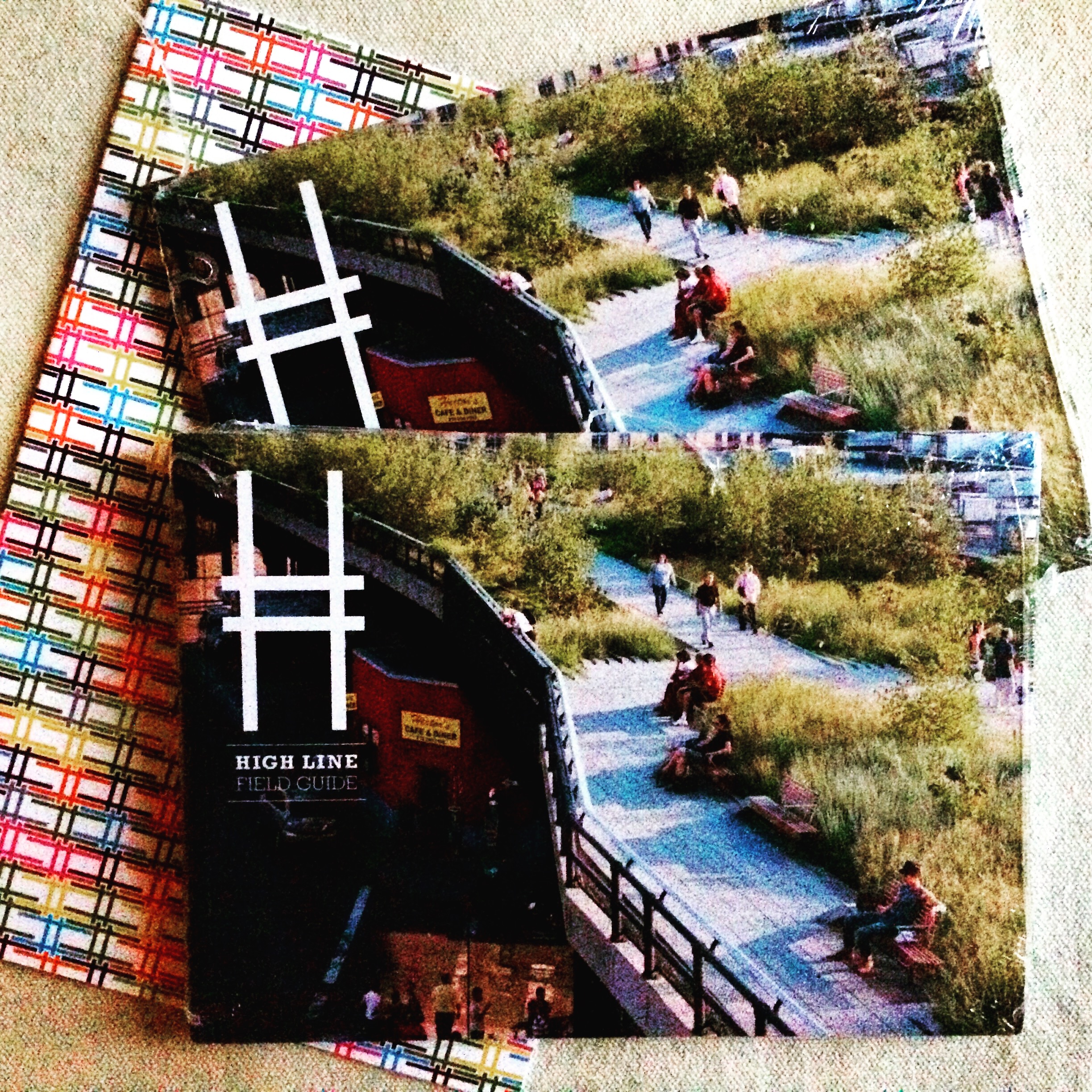
The High Line Field Guide page 34 girl

Like many, New York City is one of my favourites cities in the world, and my favourite place in that huge concrete jungle is the High Line.

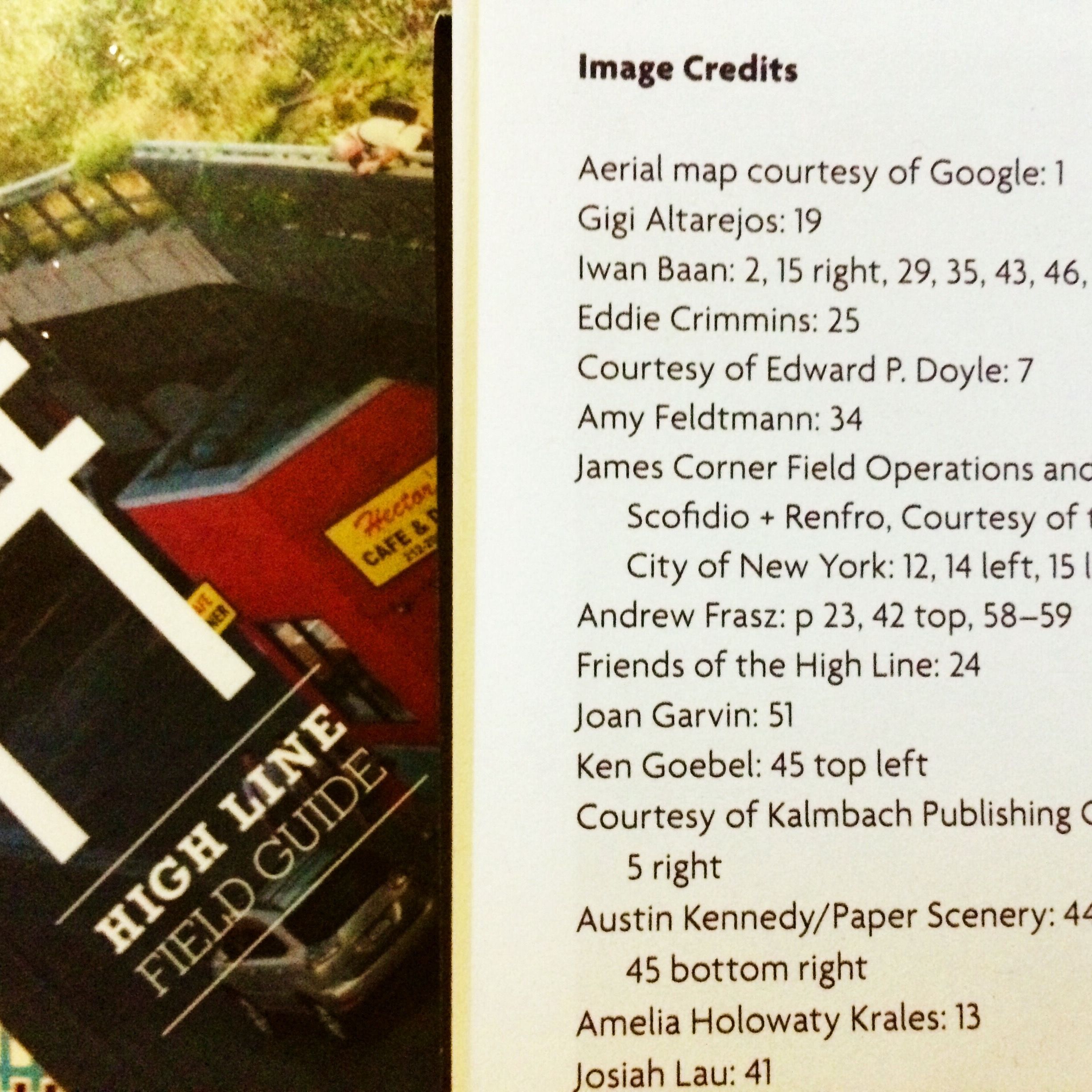
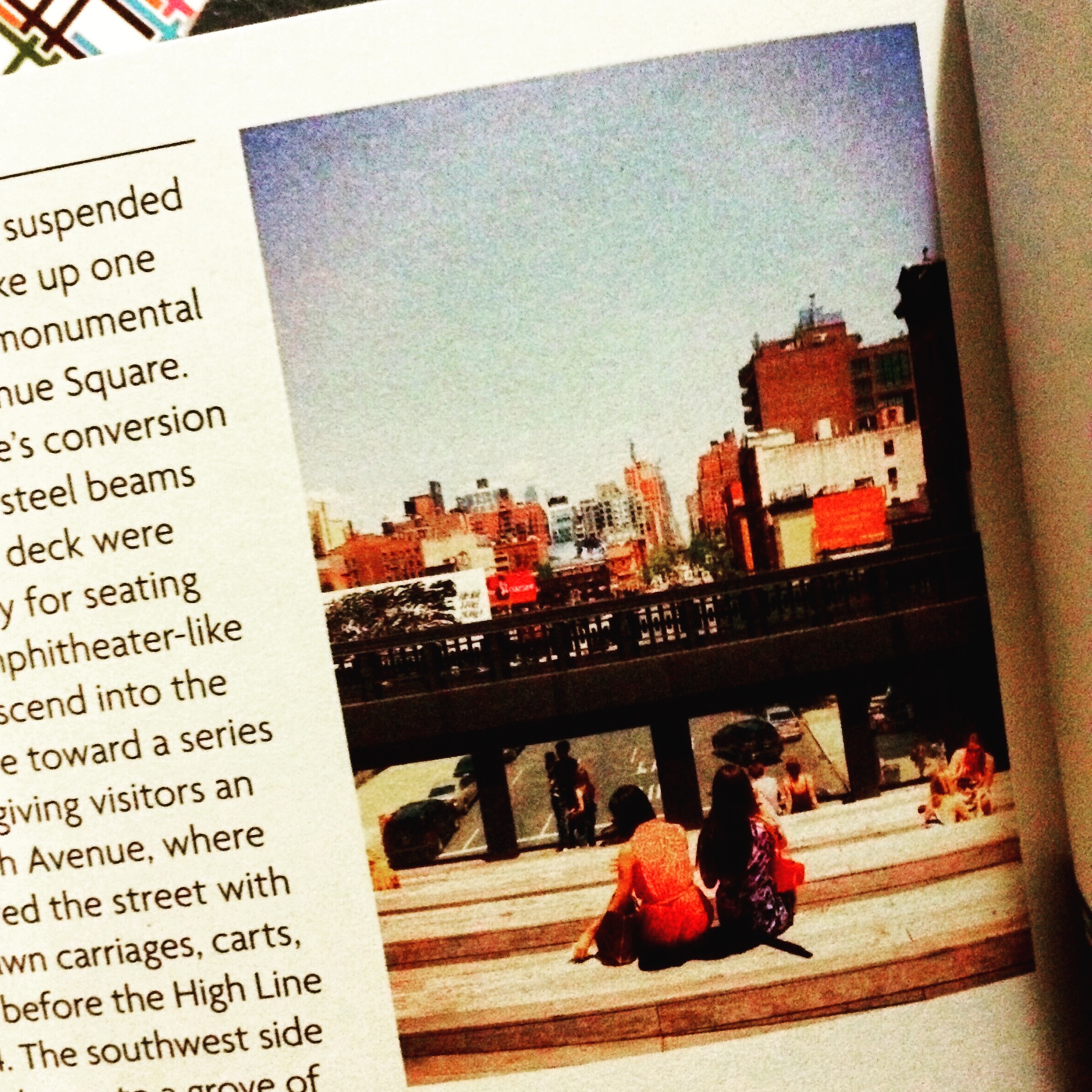
So I am really chuffed to have a photo I took to be featured in the latest edition of the High Line’s Field Guide.


The High Line Field Guide (Photo: Amy Feldtmann)


Pride of place on page 34 (Photo: Amy Feldtmann)


The photo I took, on page 34, in The High Line Field Guide (Photo: Amy Feldtmann)


A couple of years ago I was lucky to be invited along to photograph the High Line before sunrise, before regular visiting times. It is one of my fondest memories of NYC.

If you are visiting NYC in the future, be sure to visit this special place.

They can’t be refugees, they have Smartphones!

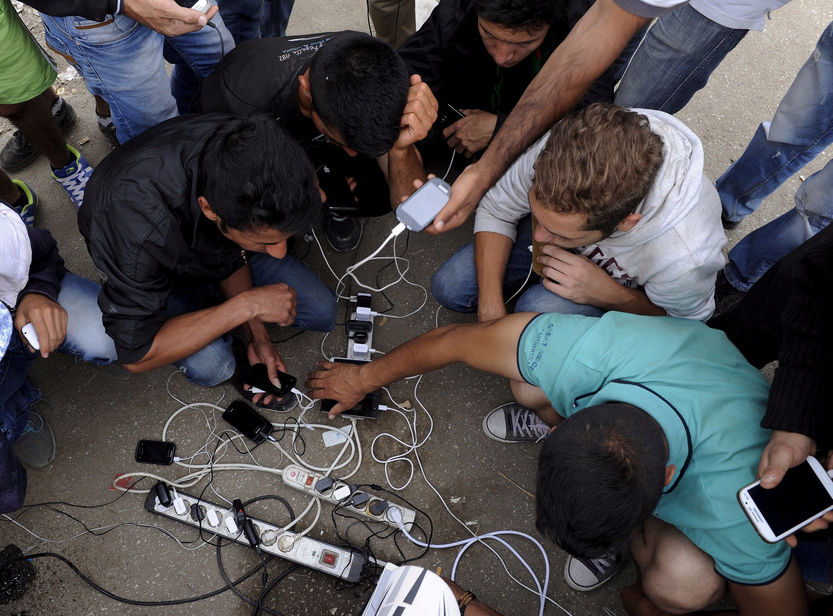
Refugees and migrants charge their mobile phones as they wait to cross the borders of Greece with Macedonia (Alexandros Avramidis/Reuters)

Imagine you had to flee your home, and flee your country, because your country was a war zone, and you wanted safety for yourself and family. What items would you take with you? I bet if you, like more than 75 per cent of people in world, own a mobile phone, that phone would be one of those items.

I put together this Storify about refugees and mobile phones.


MFW panel: ‘The Influence of ISIS’

A couple of weeks ago I went to a Melbourne Writers festival event called ‘The Influence of ISIS‘. It was presented by the Fifth Estate, the journalism-focussed series hosted by The Wheeler Centre.

With guest Jamie Tarabay, the national security and tech editor from Voctativ, and Sally Neighbour, the executive producer of ABC Australia’s 4 Corners program. Here are some of the interesting points that were discussed:

  • The ABC won’t send anyone to Syria or Iraq, except of the safest areas, because they (media) are targets – Sally Neighbour
  • The conflict is not getting covered (by media; as dangerous) so there is shallow, simplistic public debate – Sally Neighbour
  • Militant groups can’t reach an audience without us (media), ‘we are a great big ATM machine for them – Jamie Tarabay
  • Beheadings are on of their (ISIL) major recruiting tools. They ask for ideas for executions, create talking points – Sally Neighbour
  • Having execution delivered by a man with a British accent is powerful (message to the West) – Jamie Tarabay
  • The orange-haired (Australian) kid is useless to an insurgent group, except for propaganda – Sally Neighbour
  • You can’t decide it is too dangerous to send your own in, and then rely on or ask people on the ground (unethical) – Sally Neighbour
  • ISIS has killed very few foreigners, that is not their mission – Sally Neighbour
  • So much of the explanations are facile. It is too complex for people to be interested in to understand, so the (political) messages are those that are simplistic so they get through (to voters), such as ‘death cult’ – Jamie Tarabay
  • Look at the region (Turkey, Iran etc), if people wanted to contain and eliminate ISIS they could – Jamie Tarabay
  • The (Australian) opposition is in lock-step with the government in their politcial interest to be touch and strong – Sally Neighbour
  • The Obama administration is notorious for cracking down on leaks, making sure their version is the one out there – Jamie Tarabay
  • (When working in hostile locations) You have to learn how to read a crowd, the first think I was taught was ‘secure your exist’ – Jamie Tarabay
  • The ‘Bethnal Green Girls’ were recruited to be citizens of a states, not just fighters. A recruitment tool is to have women ‘taking care of’ those Assad is maiming – Jamie Tarabay
  • The Australian media is better at domestic (political coverage) than international because we are insular  – Sally Neighbour


The Fifth Estate talks are held at The Wheeler Centre every second Tuesday.