Lemons, and Tariku, and bears

This weekend I am in Launceston, visiting a friend. After a morning walking to the market, and buying lots of delicious things, we thought it was time to sit down and have a coffee (and in my friend’s case, a hot chocolate). We decided on Sweetbrew. Not only did we get the delicious hot beverage we were craving, and a pastry to match, we also were told a gorgeous story that was more than a tiny bit inspiring:
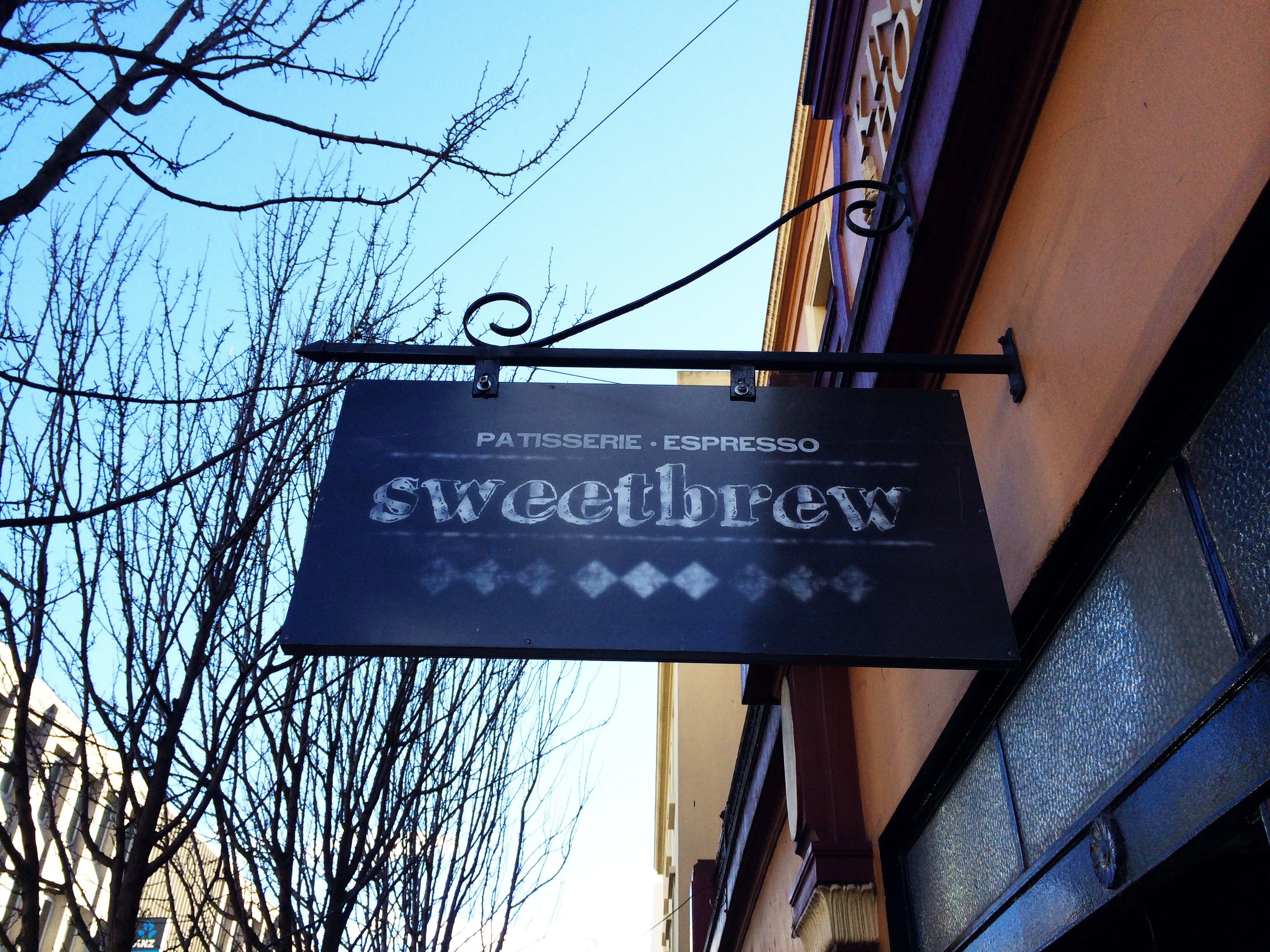
Sweetbrew cafe, Launceston

The owner of the cafe has a four-year old son, Tariku, who like many of his generation, enjoys watching Dora the Explorer. One day, after watching an episode, Tariku said to his parents, ‘who is going to save the pandas? The humans are destroying all the bamboo’ (or words along those lines). Tariku wanted to help.

The next day, by sheer serendipity,  a notice arrived about the plight of the bears in Romania. Tariku’s parents mentioned to him that they weren’t sure how to help the pandas, but maybe Tariku could help the bears?

Tariku had an idea, that he could sell lemons from the family lemon tree, out the front of their South Launceston house. He set up his lemon-stand, waving down any pedestrians and cars that passed by. He was going to have to sell lots of lemons because to free a bear, it costs 300 British pounds.

Many coins, many donations, and many lemons later, Tariku raised that money, and he saved a bear in Romania.
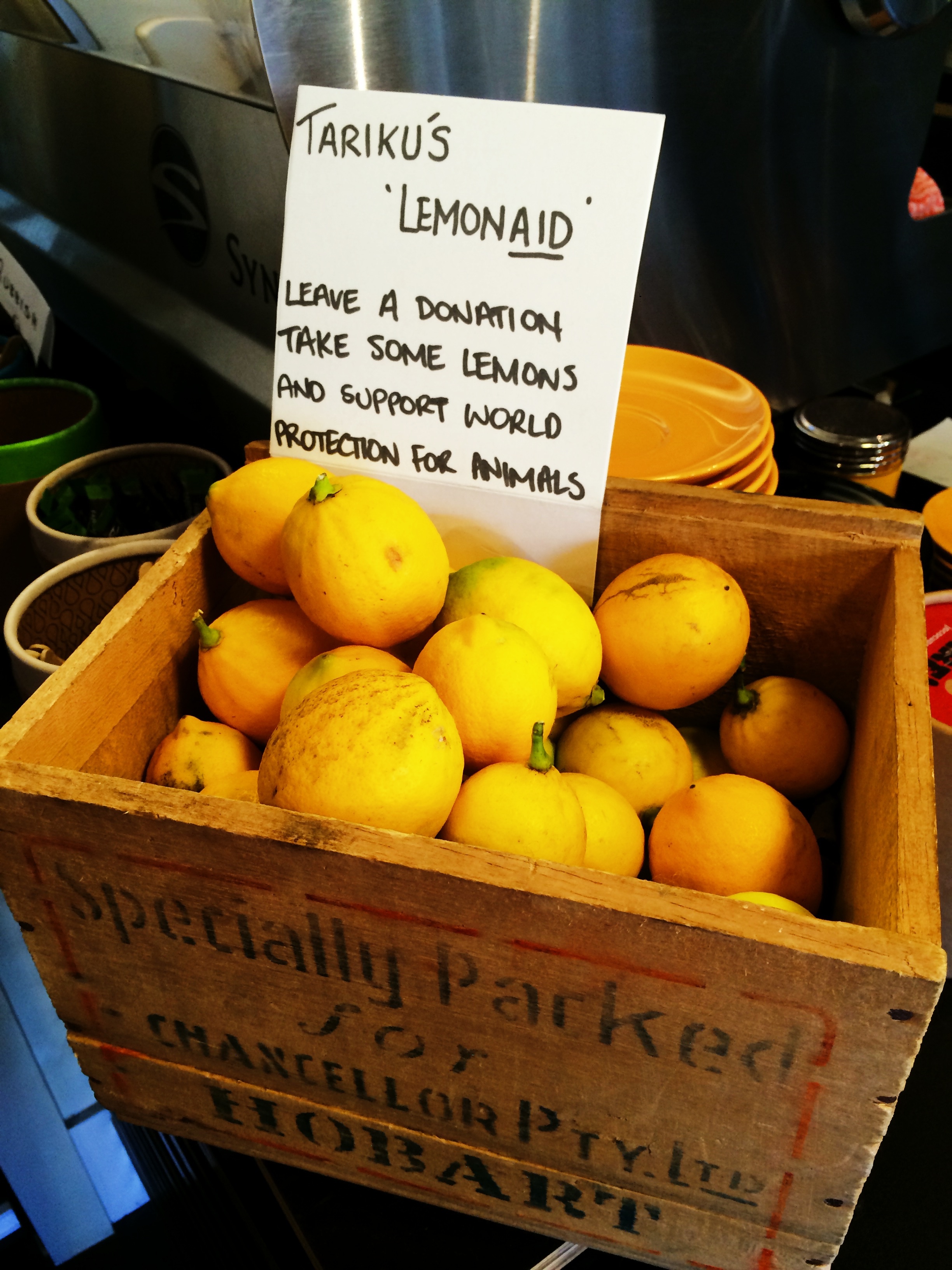
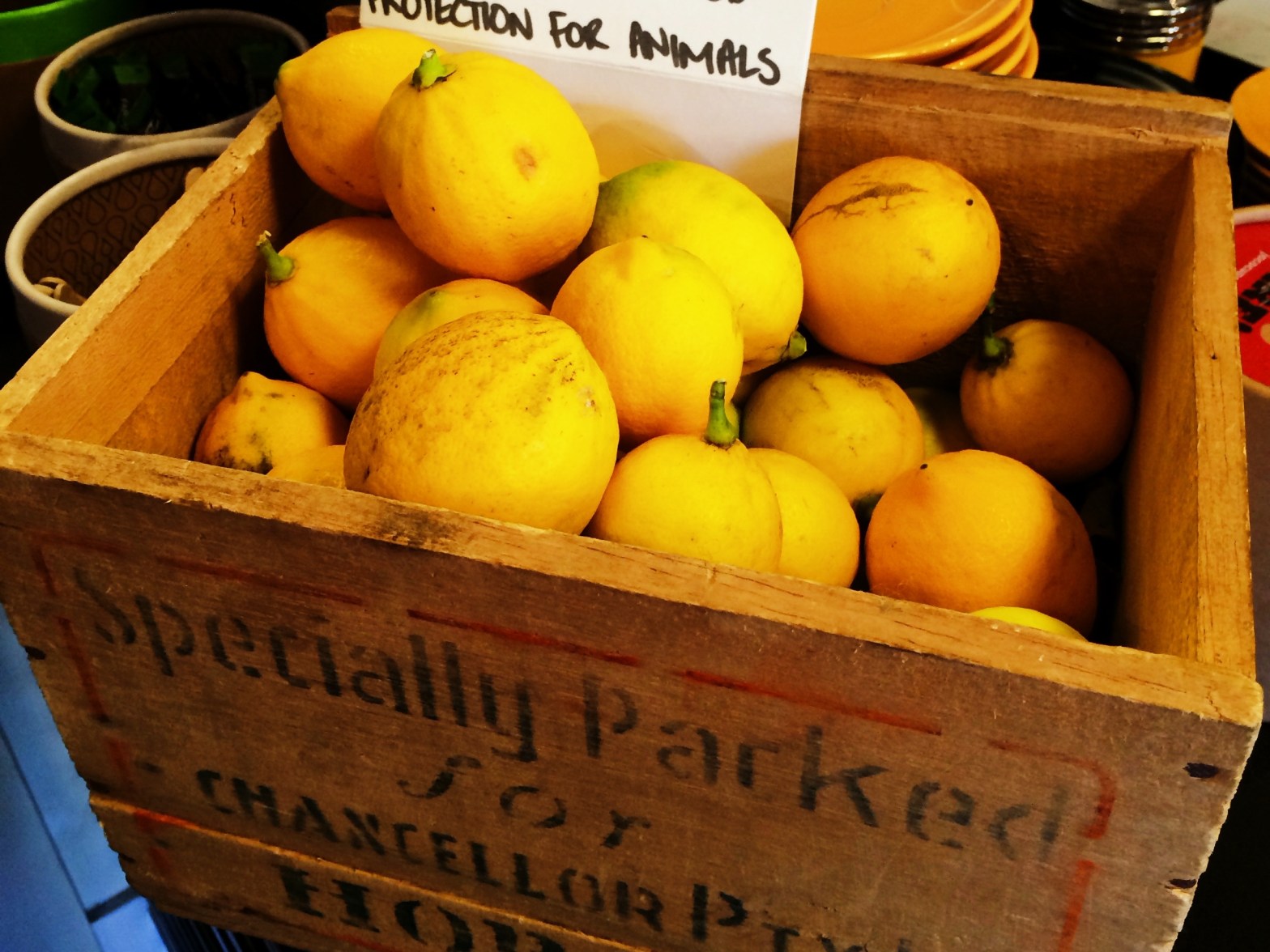
Tariku's lemon-aid lemons
Tariku’s lemon-aid lemons

He has now branched out his ‘lemon-aid’ project, to selling lemons in his parents’ cafe, which is what we came across today.

At the cafe, Tariku has arranged for a donation box to be installed at the door for people to leave a donation, and for each donation (no matter the amount), donors get to take a lemon. The donations go to World Animal Protection in the UK and also in Australia. Because the family lemon tree can only produce so much, he now sources ‘supplies’ from friends, neighbours and Sweetbrew regulars.
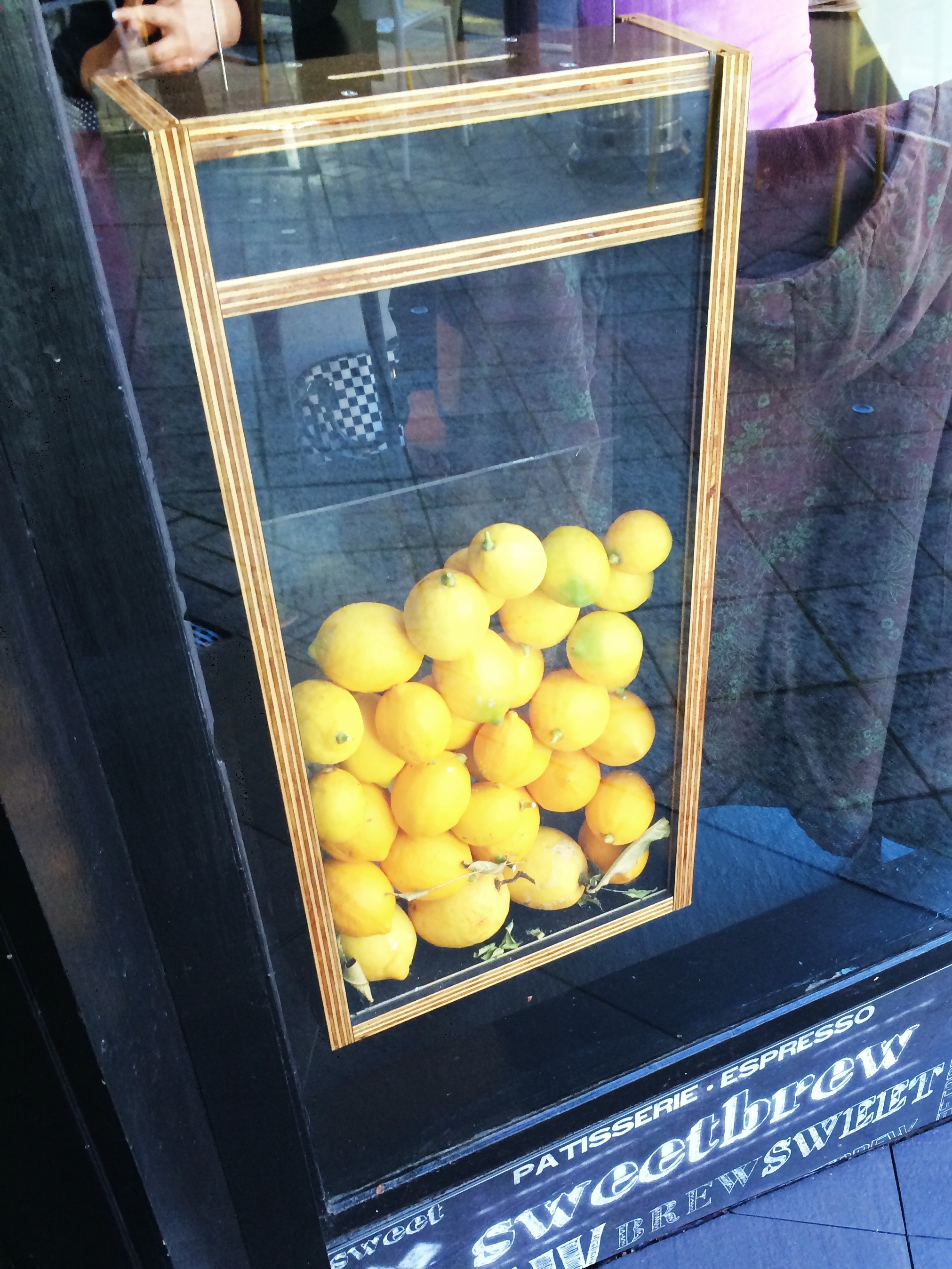
Tariku's donation box at the entrance of the cafe
Tariku’s donation box at the entrance of the cafe

To borrow from his father’s own words — knowing people like Tariku will be in charge of things one day, gives a little hope.

So, if you are ever in Launceston, and not only want to go to a great cafe, but want to help a small boy help make a difference, be sure to visit Sweetbrew, and leave a tip for Tariku and the animals on the way out.

Sweetbrew is at 93a George Street, Launceston. 
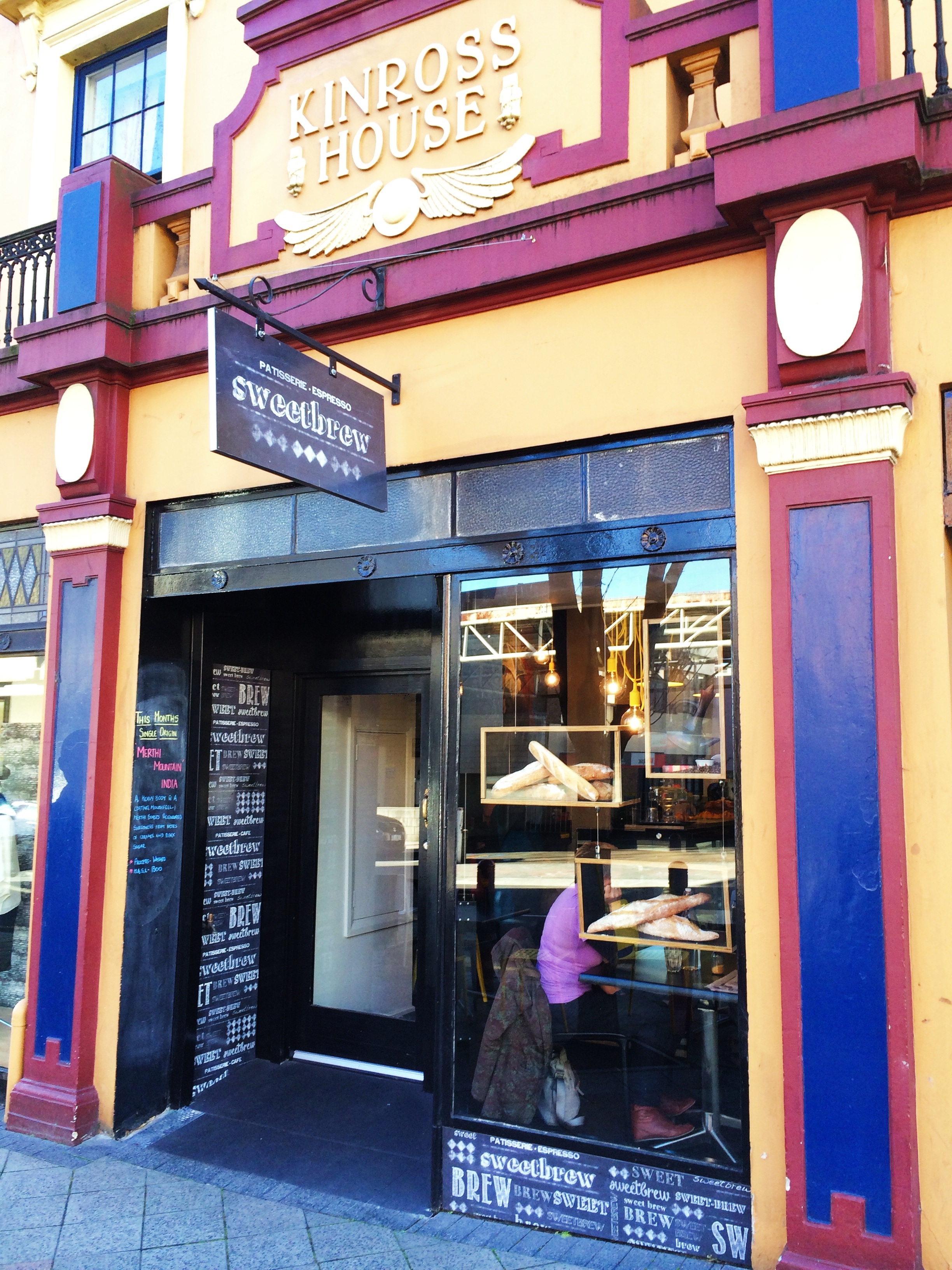
Sweetbrew cafe, George Street, Launceston

High seas and the High Court

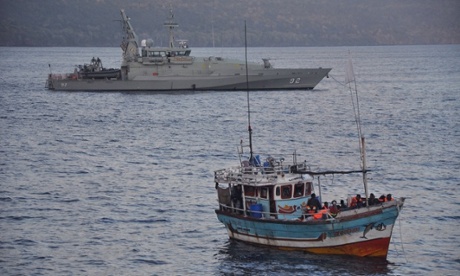
An Australian navy vessel intercepting an asylum seeker boat in 2013. (Scott Fisher/AAP)

For more than a week, the Australian Government has been under national, and international, scrutiny as to how it has handled two boats of asylum seekers from Sri Lanka. These boats were confirmed to be at sea, near to Christmas Island. As part of the severe policy in place by the Australian Government, ‘on water matters’ are not discussed with the public. So their fate has been unknown.

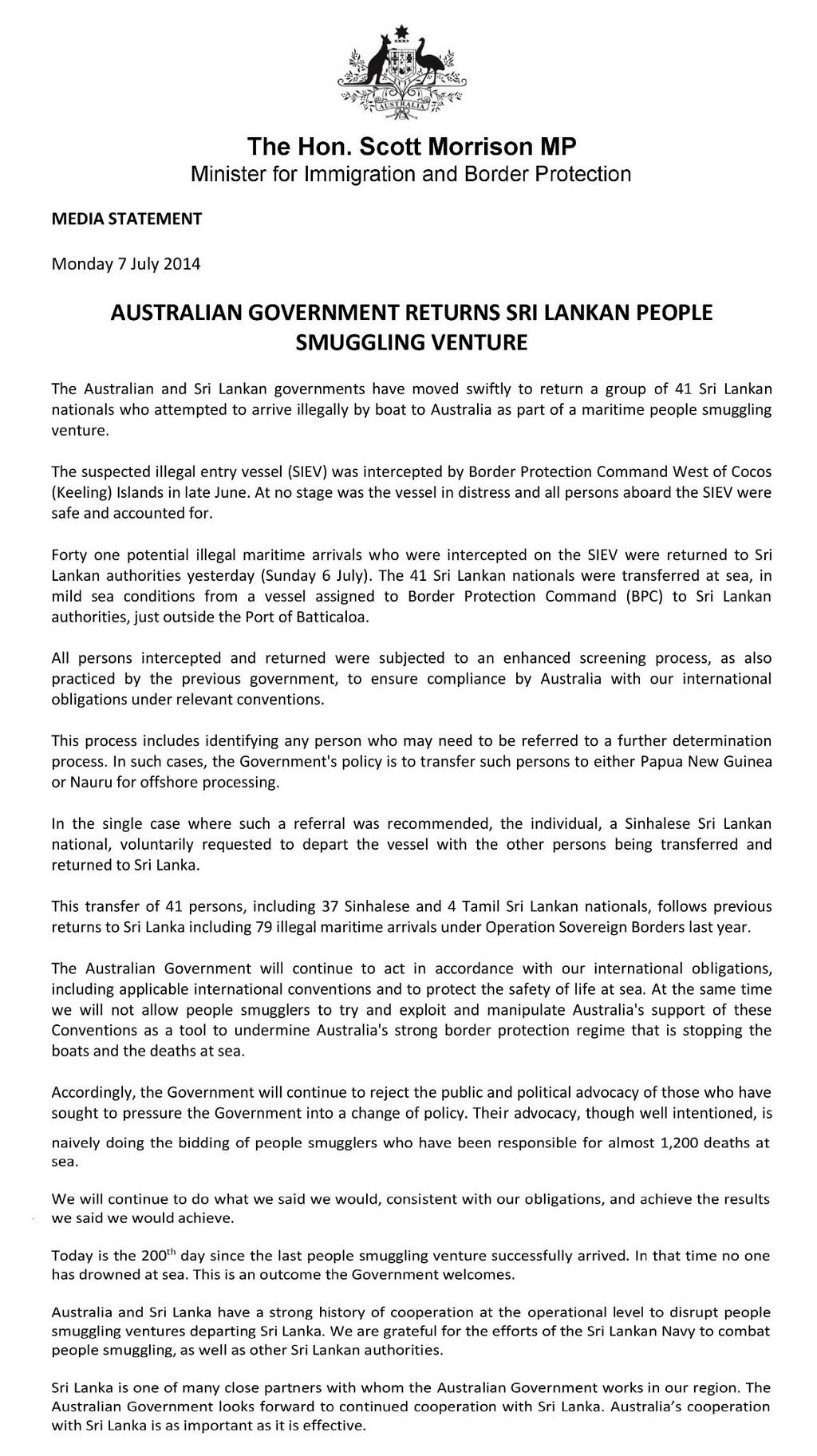
This morning I woke up to the news that the Australian Minister for Immigration and Border Protection had confirmed what had happened to one of the boats of Sri Lankan asylum seekers.

Media release about Sri Lankan Tamil handover

This returning is called ‘refoulement’, and it is illegal under international law, and the UN Refugee Convention to which Australia is a signatory.

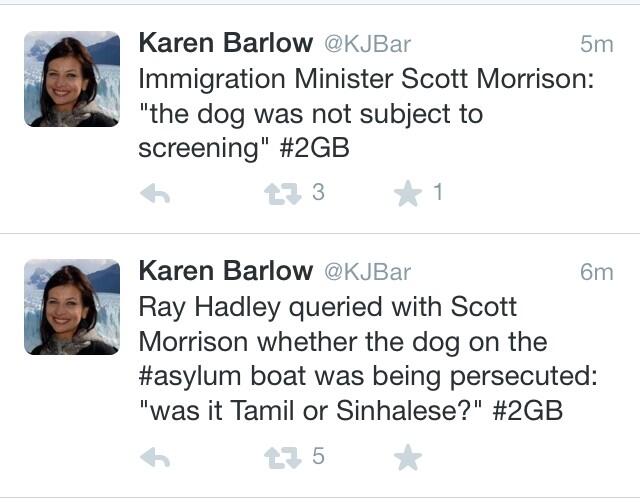
Then the Minister went on to Sydney radio with ‘shock jock’ Ray Hadley to discuss the handover, including making light of the one dog that was found on-board the boat:

2GB and SM Twitter

Then 53 legal scholars from 17 Australian universities made a public statement, expressing their concern about the situation regarding the Sri Lankan Asylum Seekers.

https://twitter.com/ABCNews24/status/486058258088476673

Soon after, Sri Lanka confirmed the 41 asylum seekers that Australia returned would be handed to Sri Lankan police.

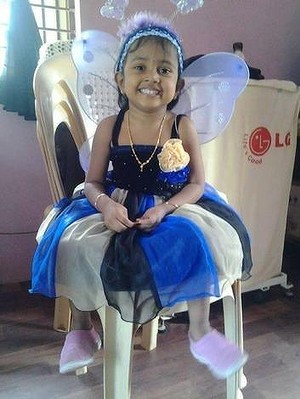
Later in the afternoon, the Australian President of the Australian Human Rights Commission, Professor Gillian Triggs, said she would examine treatment of any children transferred to an Australian customs or Navy vessel before being handed to Sri Lankan authorities. A father of one of the children on board the still-secret ship of 153 Sri Lankan asylum seekers pleaded with the Minister to explain where they were. This is three-year-old Febrina, who is currently being held, somewhere, in secret:

Febrina refugee child

In the evening, the Australian High Court forced a temporary injunction on the Australian Navy to prevent them from handing the still-secret 153 Sri Lankan asylum seekers over to the Sri Lankan military. This injunction lasts until 4pm Tuesday, when the

This is an extraordinary move that the High Court, the highest in Australia’s judicial system, has to check that the country it is a part of, is following international law, and the United Nations conventions it has signed.

And this is all the Australian Government had to say:


Australia & Tamil refugees: what the media is saying

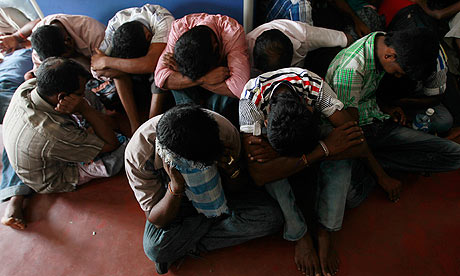
FILE IMAGE; NOT FROM 2014: Asylum seekers from Sri Lanka at a police station in Colombo, after being arrested for attempting to sail to Australia by boat. Photograph: Dinuka Liyanawatte/Reuters
FILE IMAGE; not from 2014: Asylum seekers from Sri Lanka at a police station in Colombo, after being arrested for attempting to sail to Australia by boat. (Dinuka Liyanawatte/Reuters)

With reports that Australia has returned more than 150 Tamils seeking asylum from Sri Lanka, back to the Sri Lanka, the spotlight on Australia’s ‘draconian measures’ (as the New York Times puts it) towards refugees has been in the national and global spotlight. And it hasn’t been ignored by the UNHCR — the United Nation’s Refugee Agency — either.

Here are just some of the stories from the past week — Saturday to Saturday — reporting on Australia’s bold, but silent, new approach:

A boat carrying 153 was in trouble off a remote Australian island, according to activists, but the government said there were no significant incidents at sea to report. ‘Migrant boat hits trouble on way to Australia’, Al Jazeera English, 28 June 2014

The Labor MP Alannah MacTiernan, who was on Christmas Island on Saturday night, said immigration staff on the island were “on standby waiting for instructions” and had been told both boats had been intercepted.‘Asylum seeker boat not heard from in 24 hours amid silence from government’, The Guardian (AU), 29 June 2014

Unlike Britain’s David Cameron, who used a visit to Sri Lanka last year to raise concerns about alleged widespread human rights abuses against the Tamil minority, Mr Abbott has strongly backed the Sri Lankan government.‘Tony Abbott accused of handing Tamil asylum seekers back to Sri Lanka’, The Telegraph (UK), 2 July 2014

If they have been sent back and given over to the Sri Lankan navy, we can’t believe that our government, the Australian government, supposed to be a humane government which is a signatory to the UN convention on refugees, are doing this — ‘Reported forced return of Tamil asylum seekers shocks Tamil Congress’, SBS Australia, 2 July 2014

(PM Abbott) went on to argue that turning boats around, returning asylum seekers to Sri Lanka and the rapid on-board screening process were all “in accordance with the international law”.‘Australian PM says Lanka is at peace’, Colombo Gazette, 3 July 2014

“something strange happens” in the minds of Australians when it comes to asylum seekers who arrive by boat without a visa. — Australia’s Refugee Problem’, The New York Times, 4 July 2014

We have reached a situation where the government is accused of breaking international law, using the Australian navy, off the Australian coast, and the relevant minister says he will answer questions when he decides an incident is significant, and in his view, this one is not. — ‘Yes. Tony Abbott stopped the boats. But the cost is catastrophic’, The Guardian (AU), 4 July 2014

It reeks of the masters-of-the-universe mentality.‘Abbott government needs to acquire an empathy gene’, The Conversation, 4 July 2014

“There are so many security concerns in Sri Lanka. Recently there have been attacks against Muslim minorities,” she said. She added that she now feared her husband and brother-in-law would be imprisoned and tortured, as other returnees have claimed to have been.‘Sri Lankan Tamil would-be refugees thought they were bound for New Zealand’, The Australian, 4 July 2014

(Sri Lankan) Government spokesman Keheliya Rambukwella said on Thursday that the navy had agreed to accept the asylum seekers but changed his response after questioning from reporters. — ‘Reports of Australia sending Tamil asylum seekers to Sri Lanka draws fire from UN, The Globe and Mail (Canada)’, 4 July 2014

Under its policy of not commenting on “operational matters”, Canberra has refused to confirm the boats exist, sparking criticism from the UN refugee agency UNHCR. — ‘UNHCR ‘concern’ over Australia’s handling of Sri Lankan refugees, South China Morning Post’, 4 July 2014

Australia is rapidly becoming an international pariah, riding roughshod over solemn treaty obligations into which it has entered like the International Covenant on Civil and Political Rights, the UN Refugee Convention and the UN Convention on the Rights of the Child. ‘Asylum seekers: my country, my shame’, The Age, 4 July 2014

Departmental advice has already determined water processing to be illegal. No advice need be sought to determine the legality or otherwise of refoulement. — ‘Asylum-seeker secrecy borders on inhumane’, The Saturday Paper , 5 July 2014

After finishing his shift on Sydney’s Balmain docks, he soaked himself in petrol, then swallowed some to make sure. In the shipyard beside the water he lit himself up. A suicide note and a letter from the Immigration Department, notifying him that his application for a protection visa had been rejected… ‘Inside the Tamil’s burning protests’, The Saturday Paper, 5 July 2014

The prospect of a risky mid-ocean transfer of Tamil asylum seekers and their return to Sri Lanka has sparked criticism of Australia’s tough immigration policy.  — ‘UN decries reports Australia handing back Sri Lanka Tamil asylum seekers’, The Times of India, 4 July 2014

…Mr Abbott’s comments betray a fundamental misunderstanding about the principles underlying the UN Refugee Convention. — ‘We are abrogating our duty to refugees, The Age‘, 5 July 2014

It is believed two boats carrying the asylum seekers were stopped by Australian authorities in the Indian Ocean and that some passengers were handed over to the Sri Lankan navy. Refugee campaigners say it is a violation of international law. They say at least 11 of those on board had been tortured in Sri Lanka.‘Australia in row over boats carrying Tamil asylum seekers’, BBC News Asia, 5 July 2014

I was not subject to extreme torture like my friends,” he says. “They would take us into a room. They tortured us there. They asked my friend to remove his clothes. They inserted an S-Lon [PVC] pipe through his anus. He was screaming. — ‘Tamil asylum seekers: Ghosts on the high seas’, The Sydney Morning Herald, 5 July 2014

Mr Morrison will fly to the country to attend the commissioning ceremony for the two former Australian Customs patrol vessels gifted to the Sri Lankan government, a spokesman for the Minister said.‘Immigration Minister Scott Morrison to visit Sri Lanka as Government continues silence on Tamil asylum seekers’, ABC Radio Australia, 5 July


Related post from February 2013: ‘Just the facts: Australia and refugees’

Hong Kong shopping gold

For those of you planning some travel to Hong Kong soon, and looking for shopping tips, here is one from me: Nomera Jewellery, in the Aly & Rachelle boutique, Unit S411, PMQ in Central Hong Kong.

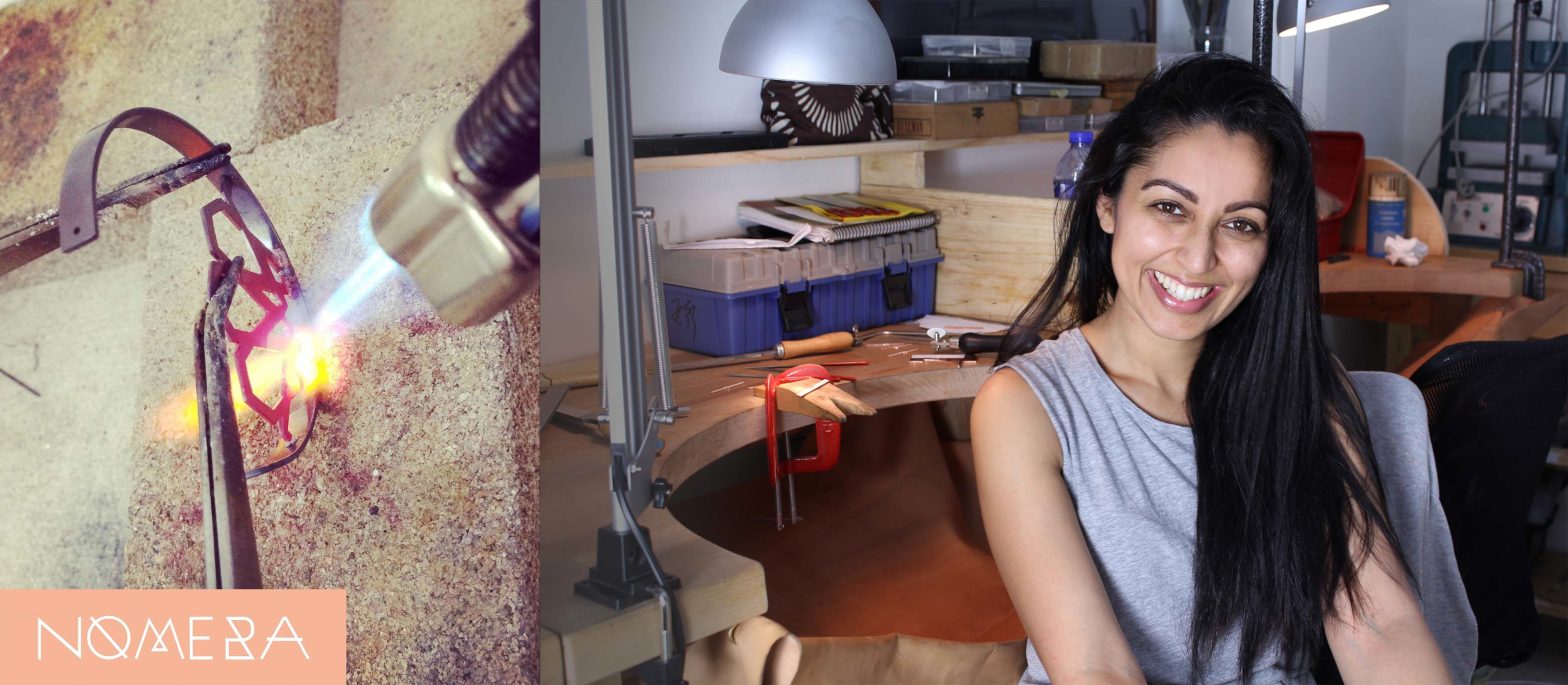
Nomera Ajmal Jewellery design Hong Kong

Originally a fashion designer working in London, Kuwait and Beijing, Nomera Ajmal is now a jewellery designer in Hong Kong, where she launched her first collection in May.

Nomera is also a good friend of mine, who I met in a north London share house almost seven years ago. Here are a few things she told me about her designs.

Nomera Ajmal Jewellery design Hong Kong

Why the change from fashion to jewellery? 

After all most a decade in the ‘fast fashion’ industry, I wasn’t feeling challenged anymore, and was also struggling to get a job during the global recession for more two years. While I was unemployed, I had the time to work on experimenting with jewellery and started to playing around with ideas. This led to doing more research, and designing a collection, and that’s when the switch happened.

Tell me a bit about the launch collection:

I wanted to create pieces that make a statement as well as look feminine but with an edge. At the moment I’m focusing on using semi-precious, and precious, metals such as copper, brass, silver, rose gold and gold plated.

What has inspired the design of your first collection?

The collection has been inspired by Islamic geometry within architectural structures. I have a huge love and respect for the craftsmanship, skill and patience that goes into creating these strong shapes using marble, stone and wood. So I wanted to transfer these strong graphic lines and cut-out detail onto metals that can be wearable in a very new and modern way.

You’re well-travelled Brit who has worked in the Middle East and China, and taught in Mexico. How have your different travel and living experiences influenced your designs?

I’m a very visual person so my travels and living abroad has a huge influence when I design. Like most creative people, I’m like a sponge and soak up everything around me. My ideas can come from anywhere from huge architectural buildings to some shape or form from nature.

What gets you most excited, fires your passions, when making jewellery? 

Two things. First, the process from the 2D (the idea/design) to 3D (the actual product). I can get lost in the making process, this helps me to connect with the product and feel passionate about it. Second, when I see people wear and appreciate what I’ve created. I want them to have something they can love forever and never get bored of, the opposite to the mentality fast fashion/trends has created.

You are a start-up in Hong Kong – are there any other local ‘creatives’ you have worked with who have helped or inspired you to get your first collection launched?

Yes there are many local creatives here in Hong Kong, although there haven’t been any collaborations yet! I would love to work on some projects in the near future with other local creative brands. For now, being a beginner and just stepping into the market, I’m focussed on getting myself noticed… who knows where that might lead to!

Have there been any stages in setting up your business that you thought it might not happen? 

Yes the main point in setting up a business itself, I was kind of thrown in the deep end with my first opportunity, I just went with my gut instincts and went for it, taking each day as it comes. I have come so far, this makes me believe I can go further.

What advice do you have for creatives starting out, and wanting to make money from what they love creating?

Don’t think too much and just start somewhere, anywhere and keep at it until you have the basics laid out. Also, don’t think to far ahead, obviously have a goal but don’t think too much about how your going to get there. Focus on the now, and everything will fall into place.

Where else can we buy your jewellery, if we aren’t in Hong Kong?

My collection will also be sold online very soon at www.nomerajewellery.com. We’re planning to ship internationally, as I have had a lot of interest from different parts of the world. If you have any enquiries I can be contacted on email through the website, or you can follow me on Instagram or Facebook.

Read more about Nomera, and other jewellers in Hong Kong, in this Style by Asia web article.

*All images on this page were provided by N0mera. 

Nomera Ajmal Jewellery design Hong Kong


*All images on this page were provided by Nomera. 

Internet marketing: 7 things about SEO

Last week, I went to a General Assembly workshop in Melbourne, called “How to Hack an SEO Plan”.

SEO (search engine optimisation) is basically ‘the practice of improving and promoting a web site in order to increase the number of visitors the site receives from search engines’ (via Moz; more on them later).

The session, led by Gillian Cook, covered quite a bit of ground, and here are some of the most interesting bits and useful tips that I wrote down:

  1. Know the basics: Google likes some more than others. When you are ‘Googling’, you are not actually searching the web — you are searching an index. That index takes into account more than 200 factors when ‘filing’ and ‘presenting’ information. ‘Spiders’ crawl out and search sites, and mark down the good content, then crawls back to Google and lets them know for indexing. The easier and tastier you make it for the spiders, the happier Google will be (in short).
  2. Understand the acronyms; and differences: SEO = organic search = natural search. SEM = search engine marketing = PPC = pay-per-click. SEO is based on page relevance and authority, and extends beyond an initial SEM investment. Well-done SEO can help reduce dependence on SEM. Think of PPC as a science; and SEO an art.
  3. Invite the user in, and make sure they have a nice stay: Improved user experience increases conversion rate i.e. if your site is not a great experience for visitors, they might not sign-up/buy. Design a website with the user in mind. Have great content, that delights and entertains. Have an easy to navigate website, and pages with purpose. Make every page within three clicks of home. Having a blog connected to your website can also help you show expertise, help people, and connect to potential customers.
  4. Name the art: Make sure all images on your website are titled, and have descriptive keyword-rich filename e.g. not called just DCS1011.
  5. Look at the data: Use AdWords Keyword Planner to learn about what people ‘Google’ when they are looking for topics/products your site offers. Use key words to inform titles of pages and because you can look at seasonal trends, it can help you plan content (i.e. months of year people search for ‘heaters’ v ‘air-conditioners’). Also, look at Moz, which can tell you who is pointing to your site.
  6. Get social: Building a social community around your website is important — Pinterest, Twitter, YouTube — but make it relevant (Gillian mentioned Everyday Health — a ‘provider of digital health and wellness solutions’ — as an example of a ‘brand’ that uses Pinterest well).
  7. Avoid a smack on the hand: Google penalises duplicate pages, weak content, thin-content. Basically, focus on great content for users, and don’t make pages for the sake of it. Also, if you have paid content, you must mark it as so because advertorials are not content-marketing (otherwise this gets a Google-smack on the bottom; just ask Interflora).


If you want to know more about the basics of SEO, Moz has a good website that can tell you more.

Happy searching.