Camp Gyno rules

After years of advertising sanitary products in a way that was, well, too sanitary and not real, a young girl has come along and said (literally) everything that has needed to be said for a long time.

The Camp Gyno campaign is for ‘Hello Flo‘, a mail order business designed to send ‘care packages’ of tampons and sanitary pads to young girls so they can be prepared for their first period. The ad centres on a ‘Joan of Arc’ persona, taking the lead on educating her friends about periods. Personally, I’m not sure about her ‘red badge of courage’ line, but they rest is excellent and the ad does normalise something that is, well, perfectly normal, and that is a good thing. It also shows the ‘Camp Gyno’ being proud and passionate about her role in educating her summer camp friends, but also facing reality ‘this is your life now’.

Timed around the the US ‘summer camp’ season currently in full swing, Hello Flo’s founder, Naama Bloom, has also pointed out how, “There are men out there who don’t think this is a very big market, but it’s $8 billion a year in the US.”. Just how 50 per cent of the population isn’t a big market is a curious idea.

The product is simple and genius. The communication has humour, and actually uses the words ‘vagina’, ‘period’ and ‘menstruation’. Progress.

And of all the ads to launch this year, this one is so far ruling the day.

Photos: American Museum of Natural History

A day at the museum — the American Museum of Natural History.

My five favourite things: Rome

Julius Caesar said that ‘experience is the teacher of all things’. Although he obviously wasn’t referring to my journey to Rome, it is certainly true that my experience of just 72 hours in this city taught me much about history, culture, art and food. Many others have been to Rome before me and will have their own, but here are my five favourite things from my visit:

1. The sights at night: Rome is like one giant, outdoor museum full of history, architecture, and statue masterpieces all around. It has spectacular monuments to see and tour — Trevi Fountain, Colosseum, Victor Emmanuel Monument, Spanish Steps — and I found them just a little more special at night.

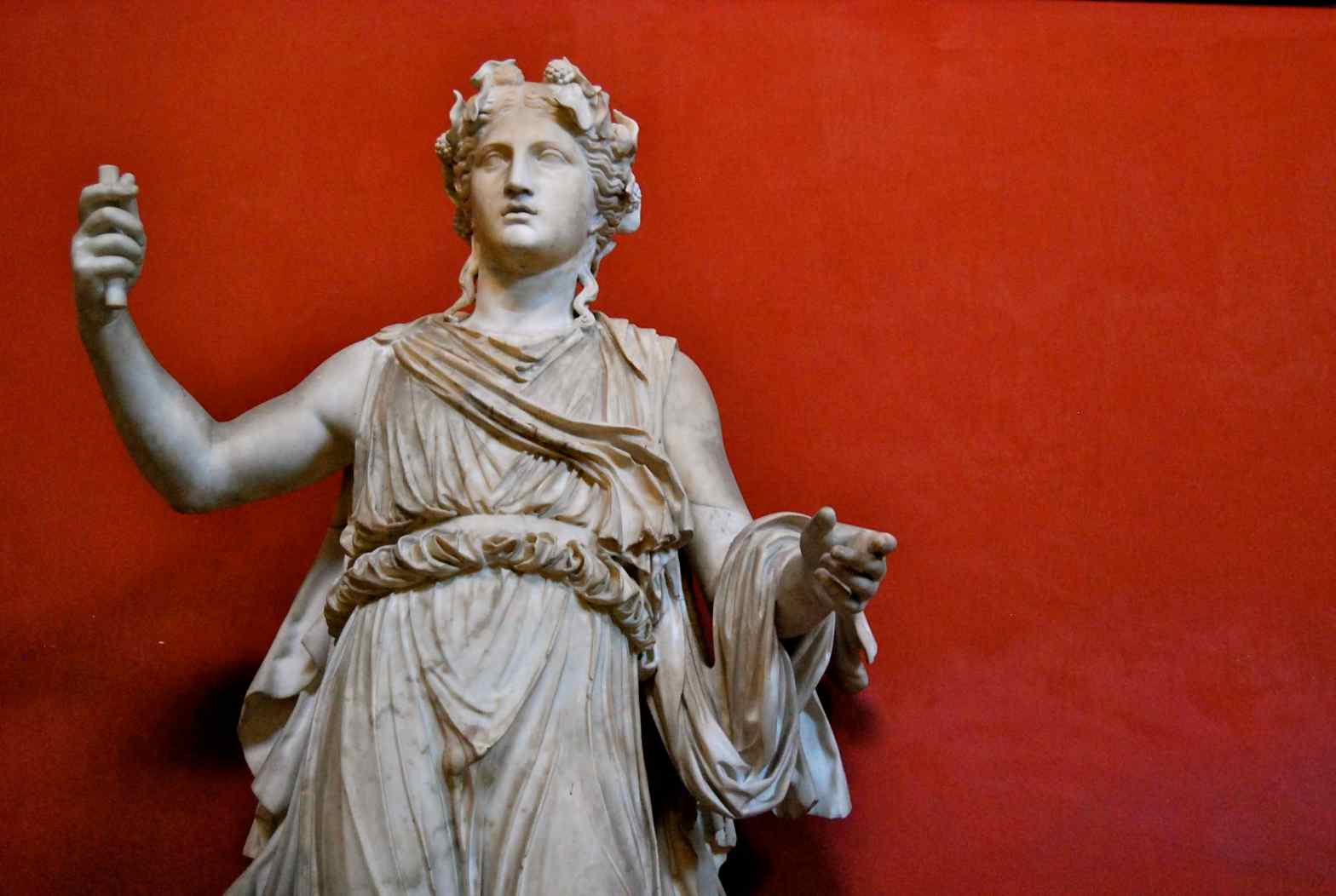
2. Sistine Chapel, Vatican Museums: Not officially in Rome, and actually in Vatican City, but I think it can count in this top five. The Sistine Chapel in the Vatican Museums is a must-see, and even the least-religious travellers are likely to marvel at the Michelangelo masterpiece on the ceiling — four years of effort laying on his back (I wasn’t able to take photographs in the chapel, but luckily elsewhere in the precinct it was allowed — see images below).

3. Campo dei Fiori Market: Fresh fruit and vegetables, cheeses, meats, a sense of old village in a big city, and lots of colour. Open every morning except for Sunday, this market is lovely to wander through, and buy produce direct from the producer, as many have done since 1869.

4. Il Fornaio: Just off the Corso Vittorio Emanuele, and near the Campo dei Fiori, a bakery of sweet and savoury Italian fare. Not only is it one of my favourite places in Rome, it was where I had one of my favourite eating experiences in Rome — a delicious pastry of fresh ricotta, topped with chocolate (I sat eating it under a tree across from the Victor Emmanuel Monument on a sunny November afternoon). Il Fornaio is a handy spot to pick up a snack on the go if you are out and about looking at the sites and here is the Tripadvisor review.

5. Wandering: Just walking the streets and admiring the architecture, fashion, local style, stopping for coffee or trying a local dish (uber-traditional light, buttery Roman polenta gnocci is my tip). There are many narrow streets, laneways, and hidden churches that help give a feel for the city away from the large tourist crowds. Places in which to imagine what it would have been like in Caesar’s time.

More photos from Rome can be viewed on Flickr.


21 lessons from the kitchen

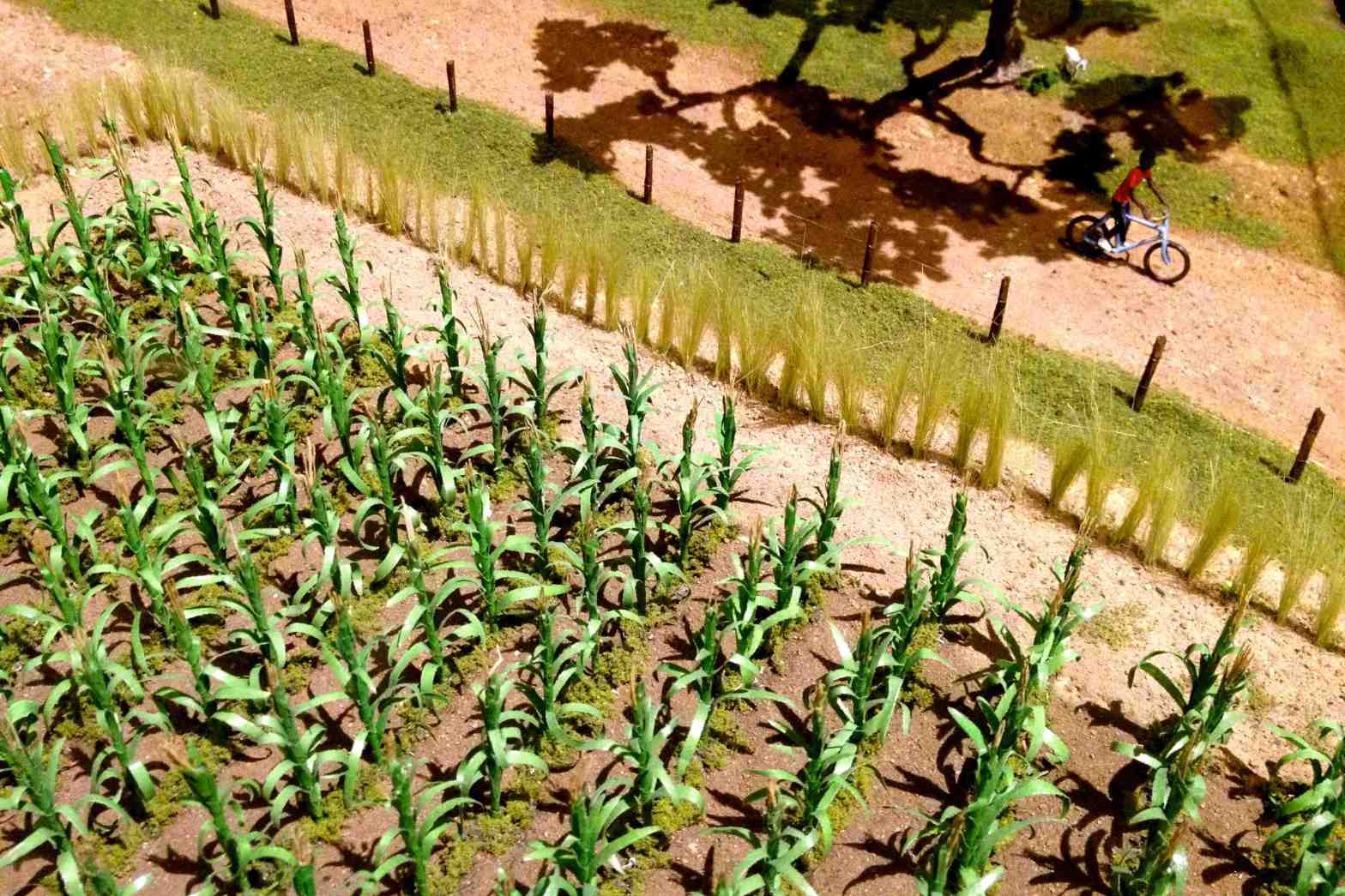
I quite like a bit of quality time in the kitchen, making (or just eating) a home-cooked favourite, or trying a new exotic dish. I am also interested in third-world famine, food security, and the environment’s impact on agriculture (and vice versa). So I was quite keen to visit the ‘Our Global Kitchen’ exhibition at the American Museum of Natural History on the weekend. 

It covered everything from growing food, sustainability, the trade of food, hunger, obesity, cooking, and food’s role in culture and celebration. The displays were colourful and interactive, and I could smell, taste, watch, listen – and learn (photos at end of article).

Here are just 21 of the things I didn’t know before I visited the exhibition:

  1. More than 2000 species have been domesticated for use as food (including five species of beans that have been bred into a least 40,000 varieties)
  2. Food is produced in greater quantities than ever before but 30 per cent of food produced is never eaten.
  3. We use 40 per cent of the world’s ice-free land to grow crops and raise animals.
  4. Some 80 million tonnes of nitrogen fertiliser and almost 4 million tonnes of pesticides is used every year.
  5. Cassava – grown in tropical regions – provides food for 900 million people (about 400 million people get more calories from cassava than from wheat and rice).
  6. The domestic chicken’s nearest ancestor – the Red Jungle Fowl in south east Asia – yields 12 eggs a year. Domesticated chickens produce 200-300 eggs per year (one was known to produce 364 eggs in a year).
  7. In many parts of Asia and the Middle East, sheep tails are not cut off (as is standard elsewhere), and let grow until they are large and fatty as they are prized in cooking. The tails can get so big they have to be dragged behind the sheep in special carts.
  8. Most wild watermelons were originally small and bitter but slowly breeders made them into ‘huge balls of sugar and water’.
  9. In the 1890s, Atlantic Cod used to be 6ft long. Then humans starting fishing them, and catching them at such a rate that they didn’t have a chance to get big before being caught. In the 1970s they averaged 2ft, and in the 1980s 18 inches.
  10. The Scoville Index measures spiciness in peppers called a Scoville Heat Unit (SHU). It informs how much ‘sugar water’ a pepper needs to be diluted in before the heat can’t be tasted. A red pepper has an SHU of zero; a jalapeno 1500; a Thai green 60,000-70,000; and a Trinidad Moruga Scorpion needs to be diluted in an estimated 2,000,000 units.
  11. More than one-third (35 per cent) of all crops go to animal feed.
  12. At Lake Condah, in western Victoria, is an ancient aquaculture site established by indigenous Australians, with carbon-dating showing the fish trap system there to be 6700 years old.
  13. Women make up more than 40 per cent of the agriculture labour force in developing countries.
  14. In the US, up to 80 per cent of the antibiotics given annually go to food animals.
  15. Built into permafrost on the Norwegian island of Svalbard are the underground chambers of the Global Seed Vault. It can store up to 4.5 million seed samples from food crops and their related wild species; reserves should politics, war, climate change or other factors cut off access to those stored in less-remote seed banks.
  16. China is the world’s top food importer (84.8 billion tonnes in 2009; next biggest Germany at 47.1 billion tonnes). The world’s top exporter is USA, exporting 157.7 billion tonnes in 2009 (Brazil next biggest at 80.1 billion; Australia 9th, exporting 30.6 billion tonnes).
  17. In Egypt, 69.8 per cent of the population is overweight, compared to 69.4 per cent in the US; 61.5 in Great Britain; 61.3 per cent in Australia; 49.2 per cent Italy; 25 per cent China; and just 11.2 per cent in India.
  18. Although the caloric intake available daily per person in Australia is lower than for USA and Britain, Australia’s average weekly food bills is more than each of these countries.
  19. The hunger level for a particular country is determined by counting the number of undernourished people (e.g. for an adult, consuming less than 1800 calories each day), and dividing that by the total population. The five countries with the greatest hunger issues are: Burundi (73% are hungry/undernourished), Eritrea (65%), Zambia (47%), Haiti (45%) and Ethiopia (40%)
  20. In Jane Austen’s era, before electric refrigeration, well-to-do English families with large estates could have ice cut from frozen ponds and packed into an ice house: a sunken, shaded shelter that kept the ice cold in summer months.
  21. In the time of Aztec ruler Moctezuma II, cacao beans were the currency. One bean would get you an avocado; 30 beans a rabbit; and 300 beans a large turkey.

I highly recommend the exhibition to anyone in New York – but be quick as it is only on until 11 August 2013.

Photos: Coney Island

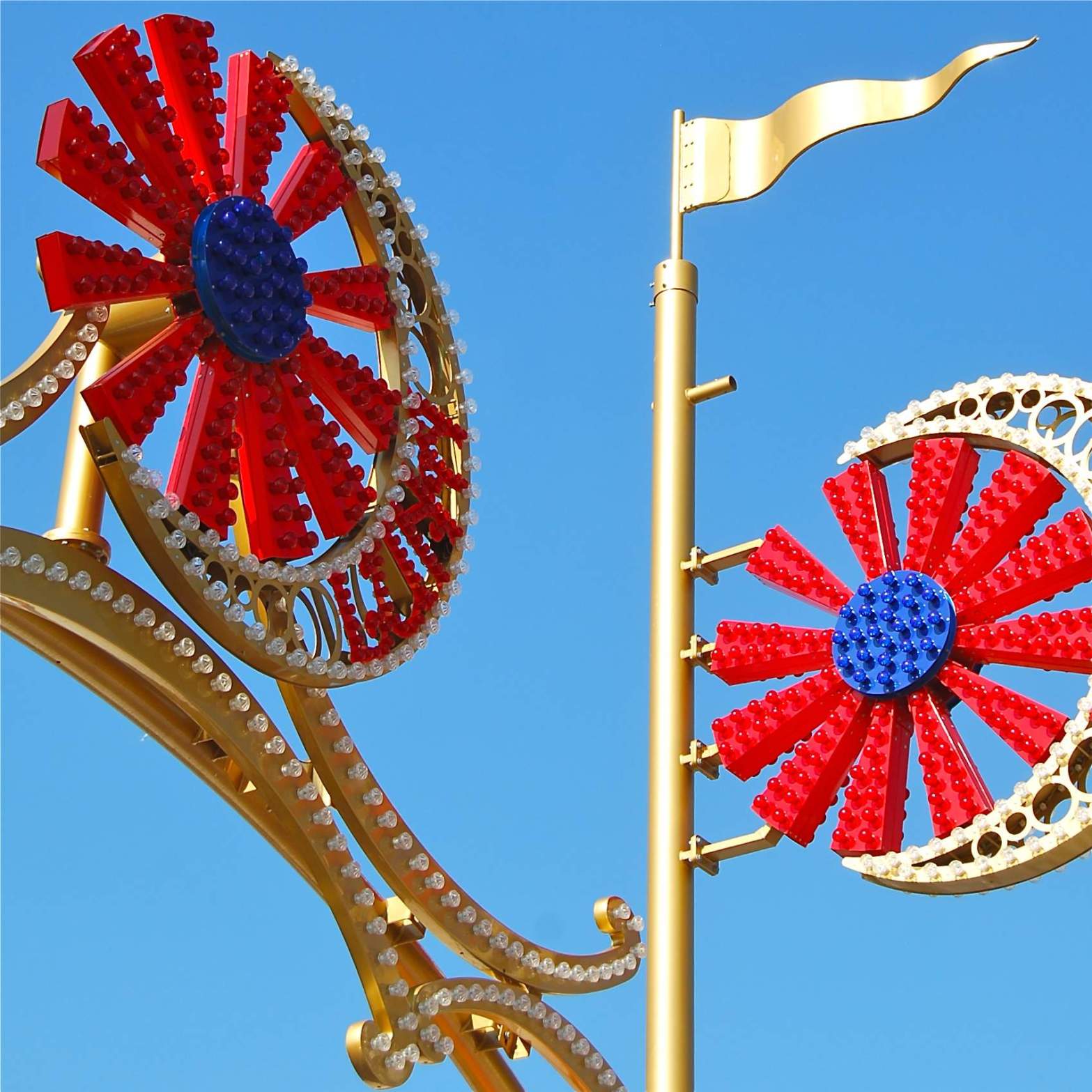
Coney Island Beach & Boardwalk is in Brooklyn. It is full of colour, kids and kitsch; and is very, very summer.